

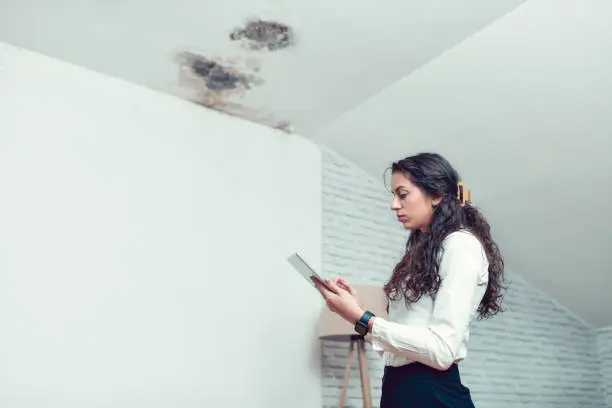
How to Handle Mold and Water Damage Repairs
Mold and water damage are more than cosmetic issues — they can affect your home’s structure, air quality, and long-term value. Whether caused by plumbing leaks, roof damage, flooding, or poor ventilation, moisture problems need to be addressed quickly and correctly to prevent bigger, more expensive repairs.
At S-Line Contractors, we help homeowners identify, repair, and prevent mold and water damage using proven methods and industry best practices. Here’s how to handle these issues the right way.
1. Identify the Source of Moisture
Before any repairs begin, the root cause of the problem must be found. Common sources include:
- Leaking pipes or fixtures
- Roof or window leaks
- Poor bathroom ventilation
- HVAC condensation
- Flooding or drainage issues
Fixing visible damage without stopping the moisture source will only lead to repeated problems.
2. Assess the Extent of the Damage
Not all water damage looks the same. Some issues are hidden behind walls, under flooring, or in ceilings. A professional assessment helps determine:
- How far has it spread
- Whether mold is present
- If structural materials are compromised
- What needs to be removed or replaced
Early assessment prevents unsafe conditions and unnecessary repairs.
3. Address Mold Safely
Mold requires careful handling to avoid spreading spores throughout the home. Proper mold remediation may include:
- Containing affected areas
- Removing damaged drywall or insulation
- Using professional-grade cleaning agents
- HEPA air filtration
- Disposing of contaminated materials correctly
DIY mold removal often makes the problem worse if not handled properly.
4. Remove Damaged Materials
Once the area is contained, damaged materials must be removed, such as:
- Drywall
- Flooring
- Baseboards
- Insulation
- Cabinetry
Only fully dried and unaffected materials should remain before rebuilding begins.
5. Dry and Dehumidify the Area
Drying is critical to prevent future mold growth. This includes:
- Commercial dehumidifiers
- Air movers
- Moisture monitoring
- Ensuring framing and subfloors are completely dry
Skipping this step can cause mold to return quickly.
6. Repair and Rebuild Correctly
After drying, repairs can begin. This may include:
- Replacing drywall with mold-resistant board
- Installing moisture-resistant flooring
- Repairing framing or subfloors
- Sealing vulnerable areas
- Repainting with mold-resistant paint
Quality materials and proper installation help prevent future damage.
7. Improve Ventilation and Moisture Control
Preventing mold and water damage requires better airflow and moisture management, such as:
- Upgrading bathroom exhaust fans
- Improving attic or crawl space ventilation
- Sealing windows and doors
- Addressing drainage issues around the home
Prevention is just as important as repair.
8. Know When to Call a Professional
Signs you should call a professional include:
- Persistent musty odors
- Visible mold growth
- Soft or warped walls and floors
- Water stains that keep returning
- Health symptoms like allergies or breathing issues
Professional repairs ensure safety, compliance, and long-term results.
Final Thoughts
Mold and water damage can feel overwhelming, but with the right approach, they can be handled safely and effectively. Addressing the source, removing damaged materials, and rebuilding with proper moisture protection are key to protecting your home.
At S-Line Contractors, we take a thorough, professional approach to mold and water damage repairs — restoring your home while helping prevent future issues.
Frequently Asked Questions (FAQ)
Is mold dangerous to my health?
Yes. Mold can cause respiratory issues, allergies, and other health problems, especially for sensitive individuals.
Can mold come back after repairs?
Yes, if moisture isn’t fully eliminated. Proper drying and prevention are essential.
Should I repair water damage immediately?
Absolutely. Delaying repairs increases the risk of mold growth and structural damage.
Does insurance cover mold and water damage?
Coverage varies. Sudden water damage is often covered, while long-term leaks may not be.
How long do mold and water damage repairs take?
Timelines vary based on severity, but proper repairs may take several days to a few weeks.
Let’s Build Something Together
Ready to elevate your commercial space? Contact S-Line Contractors today to discuss your project and discover how we can bring your vision to life.