

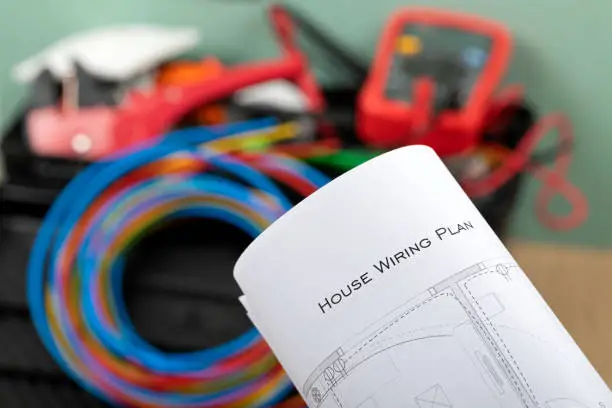
How Electrical Work Fits Into the Building Process
Electrical work is a critical part of the building process, influencing safety, functionality, and long-term performance. From early planning to final inspections, electrical systems must be carefully coordinated with every stage of construction.
At S-Line Contractors, we manage electrical work as an integrated part of the overall building process to ensure projects stay on schedule, meet code requirements, and deliver reliable results. Here’s how electrical work fits into each phase of construction.
1. Planning and Design Phase
Electrical work begins long before construction starts. During planning, electricians and project managers:
- Review architectural plans
- Identify power needs
- Plan outlet and lighting locations
- Account for future electrical demands
- Coordinate with architects and engineers
Early planning prevents costly changes later in the project.
2. Permits and Code Compliance
Before work begins, electrical plans must be approved by the local building department. This phase includes:
- Pulling electrical permits
- Reviewing code requirements
- Scheduling inspections
- Ensuring NEC and local code compliance
Proper permitting keeps the project moving smoothly.
3. Rough Electrical Installation
The rough-in stage occurs after framing and before walls are closed. This step includes:
- Running electrical wiring
- Installing electrical boxes
- Setting up circuits and panels
- Grounding and bonding systems
Rough electrical work lays the foundation for safe and reliable power.
4. Coordination With Other Trades
Electrical work must align with plumbing, HVAC, and framing. This coordination ensures:
- No system conflicts
- Proper spacing for fixtures
- Clear pathways for wiring and ducts
- Efficient workflow
Good coordination minimizes delays and rework.
5. Inspections and Corrections
After rough-in, inspections verify that electrical work meets safety standards. Inspectors check:
- Wiring methods
- Panel installations
- Grounding systems
- Circuit protection
Any required corrections are completed before walls are closed.
6. Insulation and Drywall Phase
Once rough electrical work is approved, insulation and drywall can proceed. Electricians ensure:
- Wiring is protected
- Electrical boxes are accessible
- No damage occurs during wall installation
This phase locks in the electrical layout.
7. Finish Electrical Work
After drywall and painting, the final electrical work begins. This includes:
- Installing outlets and switches
- Mounting light fixtures
- Connecting appliances
- Installing smart devices
- Final panel labeling
Finishing work brings the electrical system to life.
8. Final Inspection and Testing
The final phase ensures everything operates safely and correctly. This includes:
- Final electrical inspection
- Testing circuits and GFCIs
- Verifying load capacity
- Confirming proper labeling
Only after approval is the project considered complete.
9. Future-Proofing the Electrical System
Modern construction often includes planning for future needs, such as:
- EV charging stations
- Solar readiness
- Smart home systems
- Expanded electrical panels
Planning increases flexibility and long-term value.
Final Thoughts
Electrical work is deeply woven into every stage of the building process. When properly planned and coordinated, it supports safe construction, efficient timelines, and reliable long-term performance.
At S-Line Contractors, we integrate electrical work seamlessly into the building process — ensuring every system is installed safely, inspected thoroughly, and built to last.
Frequently Asked Questions (FAQ)
When does electrical work start in construction?
Electrical planning begins during design, with rough-in work starting after framing.
Why is rough electrical work important?
It establishes the wiring layout and must be correct before walls are closed.
How many inspections are required?
Most projects require at least a rough inspection and a final inspection.
Can electrical work delay a project?
Yes, if coordination or inspections are not properly managed.
Who manages electrical coordination?
The general contractor oversees scheduling and coordination with electricians and other trades.
Let’s Build Something Together
Ready to elevate your commercial space? Contact S-Line Contractors today to discuss your project and discover how we can bring your vision to life.