

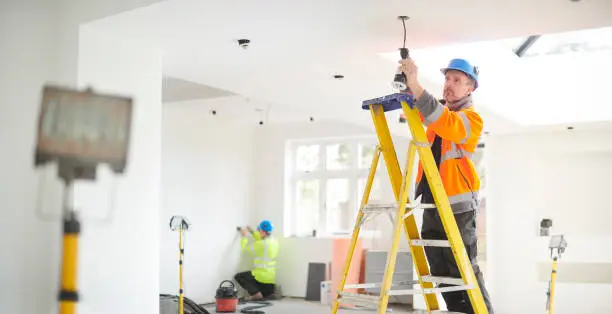
Understanding the Basics of Residential Wiring
Residential wiring is the backbone of your home’s electrical system. It powers everything from lighting and outlets to appliances and smart home features. While much of it stays hidden behind walls, understanding the basics helps homeowners make safer decisions, spot potential issues, and plan upgrades with confidence.
At S-Line Contractors, we believe informed homeowners make better choices. Here’s a clear, practical overview of how residential wiring works and why professional installation matters.
1. What Is Residential Wiring?
Residential wiring refers to the network of electrical conductors, devices, and components that distribute electricity throughout a home. This system includes:
- Electrical panel (breaker box)
- Circuits and wiring
- Outlets and switches
- Lighting fixtures
- Grounding and bonding systems
All components must work together safely and efficiently.
2. The Electrical Panel: Your Home’s Control Center
The electrical panel distributes power to individual circuits. It contains:
- Main breaker (shuts off power to the entire home)
- Circuit breakers (protect individual circuits)
- Neutral and ground bars
A properly sized and labeled panel prevents overloads and improves safety.
3. Understanding Circuits
A circuit is a loop that carries electricity from the panel to outlets or fixtures and back again. Common circuit types include:
- Lighting circuits
- General outlet circuits
- Dedicated circuits (for appliances like ovens or dryers)
Dedicated circuits prevent overloading and ensure reliable performance.
4. Types of Residential Wiring
Modern homes typically use NM (non-metallic) cable, often called Romex®. It contains:
- Hot wire (black or red)
- Neutral wire (white)
- Ground wire (bare or green)
Older homes may have outdated wiring that requires upgrading for safety.
5. Grounding and GFCI Protection
Grounding provides a safe path for excess electricity. GFCI (Ground-Fault Circuit Interrupter) outlets protect against shock by shutting off power instantly when danger is detected.
GFCIs are required in areas like:
- Bathrooms
- Kitchens
- Garages
- Outdoor outlets
These features significantly improve household safety.
6. Electrical Codes and Safety Standards
Residential wiring must follow the National Electrical Code (NEC) and local California regulations. Codes exist to:
- Reduce fire risk
- Prevent electrical shock
- Ensure consistent installation standards
Licensed electricians stay current with code updates and inspection requirements.
7. Common Wiring Mistakes to Avoid
DIY wiring mistakes often include:
- Overloaded circuits
- Loose connections
- Improper grounding
- Incorrect wire sizing
- Skipping permits
These errors can cause fires, power failures, or failed inspections.
8. When Wiring Upgrades Are Needed
You may need wiring upgrades if your home has:
- Frequent breaker trips
- Flickering lights
- Burning smells or warm outlets
- Old fuse panels
- Plans for major renovations
Upgrading wiring improves safety and supports modern electrical demands.
9. Why Professional Installation Matters
Licensed electricians ensure:
- Proper wire sizing
- Code compliance
- Safe grounding
- Correct breaker selection
- Long-term reliability
Professional work protects both your home and its occupants.
Final Thoughts
Understanding the basics of residential wiring helps homeowners make smarter, safer decisions. While electrical systems may be out of sight, their impact on safety and comfort is significant.
At S-Line Contractors, we work with licensed electricians to ensure residential wiring is installed, upgraded, and maintained to the highest standards — keeping homes safe, functional, and ready for the future.
Frequently Asked Questions (FAQ)
Can homeowners do their own wiring?
Minor tasks may be allowed, but most wiring work requires a licensed electrician and permits.
How long does residential wiring last?
Properly installed wiring can last decades, but older systems may need updating.
What causes breakers to trip?
Overloaded circuits, short circuits, or ground faults are common causes.
Is old wiring dangerous?
Yes. Outdated wiring can increase fire and shock risks.
How do I know if my wiring meets code?
A licensed electrician can inspect and verify compliance with current codes.
Let’s Build Something Together
Ready to elevate your commercial space? Contact S-Line Contractors today to discuss your project and discover how we can bring your vision to life.