

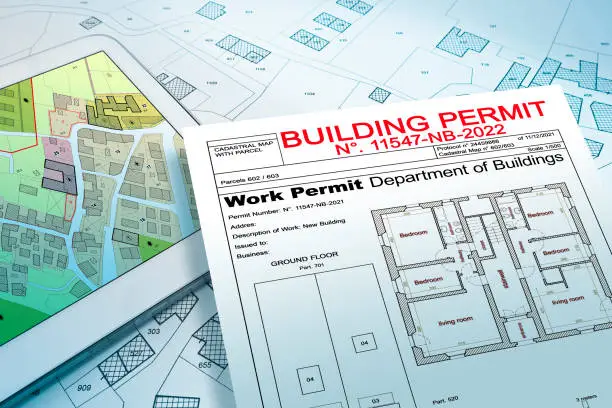
Why Electrical Permits Are Crucial in California
Electrical permits aren’t just paperwork — they’re a critical safeguard for homeowners, contractors, and properties across California. With strict building codes, wildfire risks, and seismic considerations, the state requires electrical work to meet high safety standards. Permits ensure that happens.
At S-Line Contractors, we handle electrical permitting as part of a responsible, transparent building process. Here’s why electrical permits matter and how they protect your project from start to finish.
1. Electrical Permits Protect Life and Property
Electrical work done without oversight can lead to:
- Fire hazards
- Electrical shock
- Equipment failure
- Property damage
Permits require inspections by certified officials who verify that work is installed safely and correctly. This layer of protection is essential in California homes and commercial buildings.
2. California Has Strict Electrical Codes
California follows the National Electrical Code (NEC) along with state and local amendments. Electrical permits ensure:
- Proper wire sizing
- Correct breaker and panel installation
- GFCI and AFCI protection
- Safe grounding and bonding
Permitted work must meet current codes, not outdated standards.
3. Required for Inspections and Project Approval
Most electrical projects require at least two inspections:
- Rough inspection (before walls are closed)
- Final inspection (after installation is complete)
Without permits, inspections can’t be performed — and unapproved work may need to be removed or redone.
4. Permits Protect Homeowners Legally
Unpermitted electrical work can create serious issues for homeowners, including:
- Problems during home sales
- Insurance claim denials
- Liability exposure
- City fines or penalties
Permits provide a documented record that work was completed legally and correctly.
5. Electrical Permits Reduce Long-Term Costs
While permits add a small upfront cost, they often save money by:
- Catching errors early
- Preventing unsafe shortcuts
- Reducing future repairs
- Avoiding costly corrections
Permitted work is more reliable and durable over time.
6. Required for Most Remodels and Upgrades
In California, permits are typically required for:
- Panel upgrades
- New circuits
- Rewiring
- Adding outlets or lighting
- EV chargers
- Bathroom and kitchen remodels
Cosmetic changes may not require permits, but most electrical work does.
7. Ensures Work Is Done by Licensed Professionals
Electrical permits can only be pulled by licensed contractors or approved homeowners. This helps prevent:
- Unqualified labor
- Unsafe installations
- Code violations
At S-Line Contractors, we coordinate licensed electricians to ensure every project meets state requirements.
8. Supports Fire Safety in High-Risk Areas
California’s wildfire risk makes safe electrical systems even more important. Permits help verify:
- Proper circuit protection
- Safe connections
- Updated panels
- Reduced fire hazards
This is especially critical in older homes and areas with high risk.
9. Peace of Mind for Property Owners
Knowing your electrical work was:
- Permitted
- Inspected
- Approved
Provides confidence that your home or building is safe, compliant, and built to last.
Final Thoughts
Electrical permits are a critical part of safe, legal construction in California. They protect homeowners, ensure code compliance, and prevent costly problems down the road. Skipping permits is never worth the risk.
At S-Line Contractors, we treat permitting as a responsibility — not an obstacle — ensuring every electrical system is built safely, inspected thoroughly, and approved with confidence.
Frequently Asked Questions (FAQ)
Are electrical permits always required in California?
Most electrical work requires permits, especially when adding, modifying, or upgrading systems.
Can homeowners pull their own electrical permits?
In some cases, yes — but the homeowner assumes full responsibility for code compliance.
What happens if electrical work is done without a permit?
You may face fines, required demolition, failed inspections, or issues during resale.
Do permits slow down construction projects?
When planned properly, permits help projects move smoothly and avoid costly delays later.
Does S-Line Contractors handle electrical permits?
Yes. We manage permits, inspections, and coordination as part of our full-service approach.
Let’s Build Something Together
Ready to elevate your commercial space? Contact S-Line Contractors today to discuss your project and discover how we can bring your vision to life.