

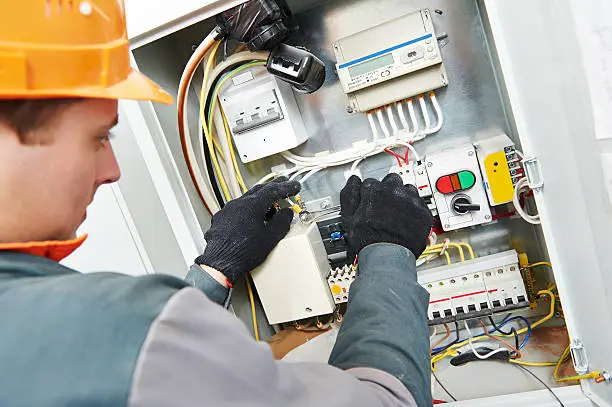
How to Upgrade Electrical Panels
An electrical panel upgrade is one of the most important improvements you can make to your home or commercial property. As energy demands grow — from modern appliances to EV chargers and smart systems — older panels often struggle to keep up. Upgrading your panel improves safety, reliability, and future readiness.
At S-Line Contractors, we guide clients through the electrical panel upgrade process with clarity, transparency, and licensed expertise. Here’s what you need to know.
1. Know When a Panel Upgrade Is Needed
Signs your electrical panel may need an upgrade include:
- Frequent breaker trips
- Flickering lights
- Warm or buzzing panel
- Use of extension cords for daily needs
- Outdated fuse boxes
- Planning major remodels or additions
If your panel can’t support modern electrical loads, it’s time to upgrade.
2. Evaluate Electrical Demand
Before upgrading, professionals assess:
- Current amperage (often 60A or 100A in older homes)
- Total electrical load
- Future needs, such as EV chargers or solar
- Appliance requirements
Most modern homes upgrade to 200-amp panels for sufficient capacity.
3. Hire Licensed Electricians
Panel upgrades must be performed by licensed electricians. This ensures:
- Code compliance
- Safe installation
- Proper grounding and bonding
- Correct breaker sizing
Electrical panels are not DIY projects.
4. Pull Required Permits
In California, electrical panel upgrades require permits and inspections. This process includes:
- Submitting plans
- Scheduling inspections
- Utility coordination
Permits protect homeowners and ensure safe, approved installations.
5. Coordinate With the Utility Company
Panel upgrades often require temporary power shutoffs and coordination with the utility provider. This step ensures:
- Safe disconnection and reconnection
- Proper meter handling
- Compliance with utility standards
Professionals manage this process to minimize downtime.
6. Remove the Old Panel Safely
During installation, electricians:
- Disconnect power
- Remove outdated panels or fuse boxes
- Replace damaged wiring if necessary
- Install new breakers and grounding systems
Safety protocols are critical at this stage.
7. Install the New Panel
The new panel is installed with:
- Updated breakers
- Clear labeling
- Proper spacing and clearance
- Enhanced safety features
Modern panels support today’s electrical demands and future expansion.
8. Pass Inspections and Testing
After installation, inspectors verify:
- Correct wiring
- Proper grounding
- Load capacity
- Code compliance
Final approval ensures your panel is safe and legal.
9. Plan for Future Upgrades
A new panel allows for future additions, such as:
- EV chargers
- Solar systems
- Battery storage
- Smart home technology
- Home additions
Planning avoids future disruptions.
Final Thoughts
Upgrading your electrical panel is a smart investment that improves safety, performance, and long-term flexibility. With professional planning and licensed installation, the process is smooth and efficient.
At S-Line Contractors, we manage electrical panel upgrades from permits to final inspection — delivering safe, code-compliant solutions you can trust.
Frequently Asked Questions (FAQ)
How long does an electrical panel upgrade take?
Most upgrades take one full day, though inspections may add time.
Is a panel upgrade expensive?
Costs vary based on panel size, complexity, and local requirements, but the safety benefits are significant.
Will my power be off during the upgrade?
Yes, power is temporarily shut off during installation.
Do older homes need panel upgrades?
Often yes, especially if the home has a 60-amp or fuse panel.
Can a new panel increase home value?
Yes. Updated electrical systems improve safety, reliability, and buyer confidence.
Let’s Build Something Together
Ready to elevate your commercial space? Contact S-Line Contractors today to discuss your project and discover how we can bring your vision to life.