

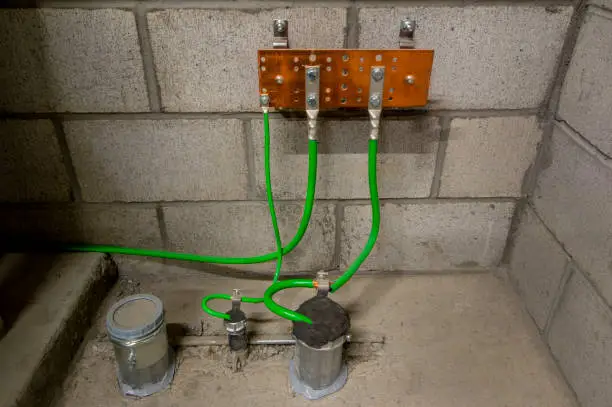
Grounding and Bonding in Electrical Design
Grounding and bonding are two of the most important — and often misunderstood — elements of electrical design. While they work together, they serve different purposes, both critical for protecting people, equipment, and buildings from electrical hazards.
At S-Line Contractors, we ensure grounding and bonding systems are properly designed and installed to meet California codes and long-term safety standards. Here’s a clear, homeowner- and builder-friendly breakdown of what grounding and bonding do and why they matter.
What Is Grounding?
Grounding connects an electrical system to the earth. Its primary purpose is to:
- Safely dissipate excess electricity
- Protect against lightning strikes
- Reduce voltage surges
- Stabilize electrical systems
A proper grounding system gives electricity a safe path away from people and structures.
What Is Bonding?
Bonding connects metal components within an electrical system. Its purpose is to:
- Keep metal parts at the same electrical potential
- Prevent shock hazards
- Ensure breakers trip properly during faults
Bonding ensures electricity flows where it should — and stops flowing when it shouldn’t.
Why Grounding and Bonding Work Together
Grounding and bonding function as a team. Together, they:
- Reduce the risk of electrical shock
- Improve system stability
- Protect appliances and electronics
- Support proper circuit breaker operation
Without one, the other can’t perform effectively.
Common Grounding and Bonding Components
Electrical grounding and bonding systems typically include:
- Grounding electrodes
- Ground rods or grounding plates
- Equipment grounding conductors
- Bonding jumpers
- Ground bars in electrical panels
Each component plays a role in overall system safety.
Safety Benefits of Proper Grounding and Bonding
When installed correctly, these systems:
- Minimize shock risks
- Reduce fire hazards
- Protect sensitive electronics
- Improve electrical reliability
They are foundational to safe construction.
Code Requirements and Compliance
Grounding and bonding must meet the National Electrical Code (NEC) and local regulations. Requirements cover:
- Conductor sizing
- Connection methods
- Grounding electrode systems
- Bonding of metal piping and enclosures
Licensed electricians ensure all work passes inspection.
Common Grounding and Bonding Issues
Problems often found in older or DIY installations include:
- Missing ground wires
- Improper bonding of metal components
- Loose or corroded connections
- Outdated grounding systems
These issues can lead to serious safety risks if left uncorrected.
Grounding in Modern Electrical Systems
Modern buildings require grounding systems that support:
- Smart technology
- EV charging
- Solar power systems
- Surge protection devices
Proper design ensures compatibility with today’s electrical demands.
When Upgrades Are Needed
You may need grounding and bonding upgrades if:
- Electrical panels are replaced
- New circuits are added
- Renovations expose old wiring
- Inspections fail
Upgrading improves both safety and performance.
Why Professional Installation Matters
Grounding and bonding require technical expertise. Professional installation ensures:
- Correct conductor sizing
- Proper connections
- Full code compliance
- Reliable system operation
This work is not suitable for DIY projects.
Final Thoughts
Grounding and bonding may not be visible, but they are essential to safe, reliable electrical systems. When designed and installed correctly, they protect lives, property, and equipment.
At S-Line Contractors, we prioritize proper electrical design from the ground up — ensuring every system is built with safety, compliance, and long-term performance in mind.
Frequently Asked Questions (FAQ)
Are grounding and bonding the same thing?
No. Grounding connects the system to earth, while bonding connects metal parts.
Why is bonding important?
Bonding ensures breakers trip quickly during faults, preventing shock hazards.
Do older homes have proper grounding?
Many older homes lack modern grounding systems and may require upgrades.
Can poor grounding damage electronics?
Yes. Improper grounding increases the risk of power surges and equipment damage.
Does S-Line Contractors handle grounding and bonding work?
Yes. We coordinate licensed electricians to ensure grounding and bonding systems meet current codes.
Let’s Build Something Together
Ready to elevate your commercial space? Contact S-Line Contractors today to discuss your project and discover how we can bring your vision to life.