

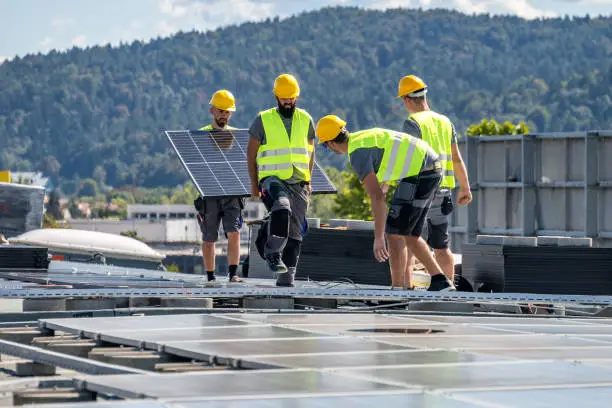
Solar Integration in Modern Construction
Solar energy is no longer an add-on—it’s becoming a core component of modern construction. From residential homes to commercial buildings, solar integration is shaping how projects are designed, powered, and future-proofed. When planned correctly, solar systems reduce energy costs, increase property value, and support long-term sustainability goals.
At S-Line Contractors, we help clients integrate solar-ready infrastructure into construction projects from the start, ensuring systems are safe, efficient, and scalable. Here’s how solar integration works in today’s construction landscape.
What Does Solar Integration Mean?
Solar integration means designing and building electrical and structural systems that support solar power—either immediately or in the future. This includes:
- Solar-ready electrical panels
- Proper roof design and load capacity
- Conduit pathways for solar wiring
- Inverter and battery storage planning
- Utility interconnection coordination
Planning early avoids costly retrofits later.
Why Solar Is Becoming Standard in Construction
Modern construction increasingly includes solar because it offers:
- Lower long-term energy costs
- Reduced dependence on the grid
- Compliance with energy codes
- Increased resale value
- Environmental benefits
In California, especially, solar-ready construction aligns with evolving building standards and buyer expectations.
Electrical Design for Solar Integration
Solar systems require thoughtful electrical planning. Key considerations include:
- Panel capacity upgrades
- Dedicated breakers for solar systems
- Load calculations
- Net metering compatibility
- Surge protection
A properly designed electrical system ensures solar power operates safely and efficiently.
Structural and Roof Considerations
Solar integration starts with the structure. Construction planning should account for:
- Roof orientation and pitch
- Shading from nearby buildings or trees
- Roof material compatibility
- Structural load requirements
Building with solar in mind avoids future structural modifications.
Battery Storage and Energy Independence
Modern solar integration often includes battery storage. Benefits include:
- Backup power during outages
- Peak energy usage reduction
- Better energy management
- Increased resilience
Battery-ready construction adds flexibility and long-term value.
EV Charging and Solar Power
As electric vehicles become more common, solar and EV charging often go hand in hand. Integrated design allows:
- Solar-powered EV charging
- Load balancing between systems
- Reduced operating costs
Future-ready construction considers both systems together.
Code Compliance and Permitting
Solar integration must meet:
- National Electrical Code (NEC)
- California Building and Energy Codes
- Local utility requirements
Permits and inspections ensure systems are safe, legal, and approved for operation.
Benefits for Commercial Construction
Commercial buildings benefit from solar integration through:
- Reduced operating expenses
- Predictable energy costs
- Sustainability certifications
- Stronger ESG positioning
Solar-ready buildings are increasingly attractive to tenants and investors.
Retrofitting vs Building Solar-Ready
While solar can be added later, integrating it during construction:
- Costs less
- Reduces disruption
- Improves system efficiency
- Allows better design coordination
Building solar-ready is often the smartest approach.
The Role of the General Contractor
Successful solar integration requires coordination between:
- Electricians
- Solar installers
- Engineers
- Utility providers
S-Line Contractors manages this coordination to ensure systems work together seamlessly.
Final Thoughts
Solar integration is shaping the future of construction. Buildings designed with solar in mind are more efficient, resilient, and valuable over time. Whether installing solar now or preparing for the future, early planning makes all the difference.
At S-Line Contractors, we help clients build smarter by integrating solar-ready electrical and structural systems that support long-term performance and sustainability.
Frequently Asked Questions (FAQ)
Do I need to install solar immediately to be solar-ready?
No. Solar-ready construction allows for future installation without major changes.
Does solar integration increase construction costs?
Planning for solar adds minimal cost upfront and saves money long-term.
Are solar systems reliable?
Yes. Modern solar systems are highly reliable and low-maintenance.
Can solar power work with battery storage?
Absolutely. Battery systems enhance reliability and energy independence.
Does S-Line Contractors handle solar-ready construction?
Yes. We design and build projects with solar integration in mind from day one.
Let’s Build Something Together
Ready to elevate your commercial space? Contact S-Line Contractors today to discuss your project and discover how we can bring your vision to life.