

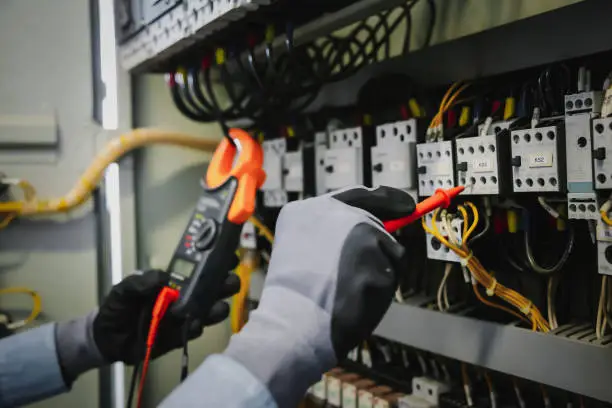
How to Troubleshoot Electrical Failures
Electrical failures can be frustrating—and in some cases, dangerous. Whether it’s a sudden power outage in one room, flickering lights, or a breaker that keeps tripping, knowing how to troubleshoot electrical issues helps you respond quickly and safely.
At S-Line Contractors, we help homeowners and businesses understand what’s happening behind the scenes and when it’s time to bring in a licensed electrician. Here’s a practical, step-by-step guide to troubleshooting common electrical failures.
1. Identify the Scope of the Problem
Start by determining how widespread the issue is:
- Is power out in one outlet or room?
- Is the entire circuit affected?
- Is the whole building without power?
If the entire property is dark, check with the utility provider before assuming an internal issue.
2. Check the Electrical Panel
The breaker panel is often the first place to look.
- Look for tripped breakers
- Reset one breaker at a time
- Never force a breaker that won’t stay on
Repeated trips usually signal a deeper problem that needs professional attention.
3. Look for GFCI or AFCI Trips
GFCI outlets (common in bathrooms, kitchens, and garages) and AFCI breakers can shut off power automatically for safety.
- Press the reset button on GFCI outlets
- Check AFCI breakers in the panel
These devices often trip due to moisture, overloads, or wiring faults.
4. Unplug Devices and Appliances
Faulty appliances can cause electrical failures.
- Unplug everything on the affected circuit
- Reset the breaker
- Plug devices back in one at a time
If the breaker trips again, the last device plugged in may be the issue.
5. Watch for Warning Signs
Some electrical failures come with clear red flags, including:
- Burning smells
- Buzzing sounds
- Warm outlets or switches
- Flickering or dimming lights
These signs suggest overheating or loose wiring—stop using the circuit immediately and call a professional.
6. Check for Overloaded Circuits
Older buildings often lack enough circuits for modern electrical demands. Overloads happen when:
- Too many devices share one circuit
- High-power appliances run simultaneously
Redistributing loads or adding circuits may be necessary.
7. Inspect Visible Outlets and Switches
Without removing covers, look for:
- Cracked faceplates
- Loose plugs
- Discoloration
These signs may indicate damaged wiring or unsafe connections.
8. Consider Recent Changes or Remodels
Electrical issues often appear after:
- Renovations
- New appliance installations
- DIY electrical work
New loads or altered wiring can expose hidden problems.
9. Avoid DIY Electrical Repairs
Troubleshooting is about identifying issues—not fixing wiring yourself. DIY electrical repairs can:
- Create fire hazards
- Cause injury
- Lead to failed inspections
Licensed electricians have the tools and training to fix problems safely.
10. Know When to Call a Professional
Call a licensed electrician if:
- Breakers trip repeatedly
- Power outages are unexplained
- You notice burning smells or heat
- Electrical issues affect multiple areas
Professional diagnosis prevents small issues from becoming major failures.
Final Thoughts
Electrical failures are often warning signs—not just inconveniences. Knowing how to troubleshoot safely helps protect your property while ensuring problems are addressed correctly.
At S-Line Contractors, we take electrical safety seriously. From troubleshooting to full system repairs, we help homeowners and businesses restore power safely and reliably.
Frequently Asked Questions (FAQ)
Is it safe to reset a tripped breaker?
Yes, once. If it trips again, stop and call a professional.
Why do breakers trip repeatedly?
Common causes include overloaded circuits, faulty wiring, or failing appliances.
Can electrical failures cause fires?
Yes. Loose wiring and overheating are common fire risks.
Should I replace outlets myself?
Simple replacements may be allowed, but wiring issues should be handled by licensed electricians.
Does S-Line Contractors help troubleshoot electrical issues?
Yes. We coordinate licensed electricians to diagnose and repair electrical failures safely.
Let’s Build Something Together
Ready to elevate your commercial space? Contact S-Line Contractors today to discuss your project and discover how we can bring your vision to life.