

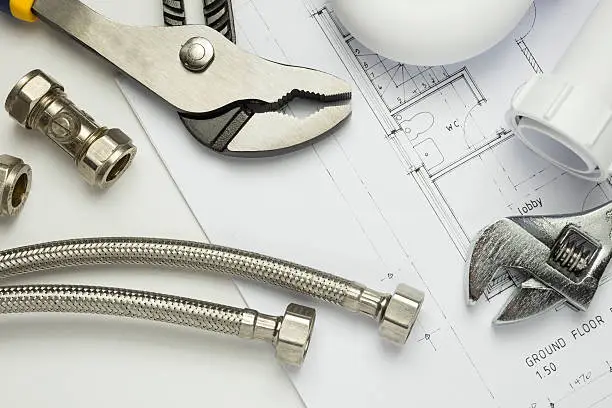
Plumbing Layouts in New Construction
Plumbing layouts are one of the most important foundations in any new construction project. A well-designed plumbing system ensures proper water flow, efficient drainage, code compliance, and long-term reliability. Poor planning, on the other hand, can lead to leaks, pressure issues, costly repairs, and failed inspections.
At S-Line Contractors, we treat plumbing layout design as a critical early step in the building process. Here’s how plumbing layouts are planned in new construction — and why getting it right from the start matters.
What Is a Plumbing Layout?
A plumbing layout is the planned arrangement of:
- Water supply lines
- Drain, waste, and vent (DWV) systems
- Fixture locations
- Shut-off valves
- Main water and sewer connections
It defines how water enters, moves through, and exits the building safely and efficiently.
1. Planning Plumbing Layouts Early
Plumbing design begins during the planning and design phase. Early coordination allows contractors to:
- Align plumbing with architectural plans
- Minimize pipe runs
- Reduce material and labor costs
- Prevent conflicts with framing, electrical, and HVAC systems
Early planning saves time and money during construction.
2. Fixture Placement and Efficiency
Placing fixtures strategically improves performance and reduces complexity. Good layouts:
- Group kitchens, bathrooms, and laundry areas
- Reduce long pipe runs
- Improve water pressure
- Minimize heat loss in hot water lines
Efficient layouts also simplify future maintenance.
3. Water Supply Line Design
Supply lines must deliver consistent pressure throughout the building. Design considerations include:
- Pipe sizing
- Material selection
- Hot and cold water distribution
- Pressure regulation
Proper sizing prevents low pressure and uneven water flow.
4. Drain, Waste, and Vent (DWV) Systems
DWV systems remove wastewater safely while allowing proper airflow. Key elements include:
- Correct pipe slopes
- Proper vent placement
- Trap installation
- Code-compliant connections
Well-designed DWV systems prevent backups, odors, and slow drains.
5. Code Compliance and Permits
New construction plumbing must comply with:
- California Plumbing Code
- Local building regulations
- Inspection requirements
Permits and inspections ensure plumbing systems meet safety and performance standards.
6. Coordination With Other Trades
Plumbing layouts must be coordinated with:
- Electrical wiring
- HVAC ducting
- Structural framing
Good coordination prevents jobsite conflicts, delays, and costly rework.
7. Future-Proofing the Plumbing System
Modern plumbing layouts consider future needs, such as:
- Additional bathrooms
- Water-efficient fixtures
- Tankless water heaters
- Home additions
Planning reduces the need for major changes later.
8. Water Efficiency and Sustainability
New construction often incorporates water-saving features, including:
- Low-flow fixtures
- Efficient piping layouts
- Recirculation systems
These upgrades lower water usage and operating costs.
9. Testing and Inspection
Before walls are closed, plumbing systems are tested for:
- Leaks
- Proper pressure
- Drainage performance
Passing inspections confirms the system is installed correctly.
10. Why Professional Plumbing Design Matters
Professional plumbing layout design ensures:
- Reliable performance
- Code compliance
- Fewer long-term issues
- Lower maintenance costs
This is not an area where shortcuts pay off.
Final Thoughts
A well-designed plumbing layout is essential to the success of any new construction project. From water pressure to drainage efficiency, every detail matters.
At S-Line Contractors, we plan plumbing systems with precision and foresight — ensuring they meet today’s standards while supporting long-term performance and future growth.
Frequently Asked Questions (FAQ)
Why is plumbing layout important in new construction?
It ensures efficient water flow, proper drainage, and long-term system reliability.
Can plumbing layouts be changed later?
Yes, but changes after construction begins are costly and disruptive.
Are permits required for plumbing in new builds?
Yes. Permits and inspections are required to meet building codes.
How are plumbing layouts coordinated with other systems?
General contractors coordinate plumbing with electrical, HVAC, and framing plans.
Does S-Line Contractors handle plumbing coordination?
Yes. We manage plumbing layout planning, permitting, and coordination as part of our construction services.
Let’s Build Something Together
Ready to elevate your commercial space? Contact S-Line Contractors today to discuss your project and discover how we can bring your vision to life.