

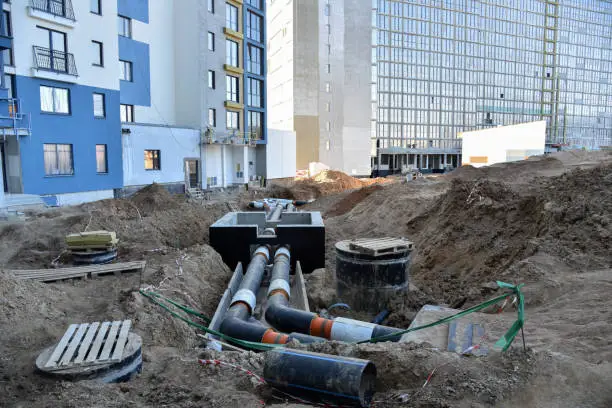
Drainage and Sewage Planning in Commercial Buildings
Drainage and sewage systems are often out of sight—but they play a critical role in the safety, functionality, and longevity of commercial buildings. Poor planning can lead to backups, odors, health concerns, code violations, and costly repairs that disrupt daily operations.
At S-Line Contractors, we treat drainage and sewage planning as a core part of commercial construction, not an afterthought. Here’s how proper planning works and why it matters for long-term performance.
Why Drainage and Sewage Planning Matters
Commercial buildings place far greater demands on plumbing systems than residential properties. Effective planning ensures:
- Smooth wastewater flow
- Prevention of backups and overflows
- Compliance with health and building codes
- Reliable performance during peak usage
Well-designed systems protect both occupants and property.
Understanding Commercial Drainage Systems
Commercial drainage systems manage wastewater from:
- Restrooms
- Kitchens and break rooms
- Floor drains
- Mechanical rooms
- Specialized equipment
These systems must handle higher volumes and more frequent use than residential plumbing.
Proper Slope and Pipe Sizing
Gravity is key to effective drainage. Planning includes:
- Correct pipe slope for consistent flow
- Proper pipe sizing based on fixture count
- Avoiding long or complex drain runs
Incorrect slope or undersized piping often leads to clogs and slow drainage.
Sewer Line Design and Connections
Commercial sewer planning must consider:
- Connection to municipal sewer systems
- On-site sewer lines
- Backwater valve installation
- Cleanout placement for maintenance
These elements help prevent sewage backups and simplify future servicing.
Venting Systems and Airflow
Venting allows air to move through the drainage system, ensuring smooth wastewater flow. Proper venting:
- Prevents sewer gas odors
- Protects trap seals
- Improves drainage efficiency
Commercial venting requirements are often more complex than residential systems.
Grease, Waste, and Specialized Drainage
Certain commercial buildings require additional drainage considerations, such as:
- Grease interceptors for kitchens
- Oil separators for automotive facilities
- Trench drains for industrial spaces
These systems protect sewer lines and meet regulatory requirements.
Code Compliance and Permits
Drainage and sewage systems must comply with:
- California Plumbing Code
- Local health department regulations
- City and county inspection standards
Permits and inspections ensure systems are built safely and legally.
Coordination With Other Trades
Drainage planning must align with:
- Structural design
- Electrical systems
- HVAC layouts
Early coordination prevents conflicts, delays, and costly rework during construction.
Planning for Maintenance and Access
Commercial drainage systems should be designed for long-term serviceability. This includes:
- Accessible cleanouts
- Logical pipe routing
- Clear access to key components
Maintenance-friendly designs reduce downtime and repair costs.
Planning for Future Growth
Commercial buildings often expand or change use. Smart drainage planning allows for:
- Additional fixtures
- Increased occupancy
- Equipment upgrades
Future-ready systems reduce the need for major plumbing overhauls later.
Why Professional Planning Is Essential
Drainage and sewage systems are not areas for shortcuts. Professional planning ensures:
- Code compliance
- Reliable performance
- Reduced health risks
- Long-term cost savings
Experienced contractors help avoid problems before they start.
Final Thoughts
Drainage and sewage planning is foundational to the success of any commercial building. When systems are properly designed, they operate quietly and reliably—supporting daily operations without disruption.
At S-Line Contractors, we plan commercial drainage systems with precision, foresight, and compliance—ensuring performance, safety, and long-term durability.
Frequently Asked Questions (FAQ)
How is commercial drainage different from residential drainage?
Commercial systems handle higher volumes, more fixtures, and stricter code requirements.
Are grease traps required in commercial buildings?
Yes, in facilities with food preparation areas, grease interceptors are typically required.
What happens if drainage systems are undersized?
Undersized systems can cause backups, slow drains, and frequent maintenance issues.
Do commercial drainage systems require permits?
Yes. Permits and inspections are required for compliance and safety.
Does S-Line Contractors handle commercial drainage planning?
Yes. We manage drainage and sewage planning, permitting, and coordination for commercial projects.
Let’s Build Something Together
Ready to elevate your commercial space? Contact S-Line Contractors today to discuss your project and discover how we can bring your vision to life.