

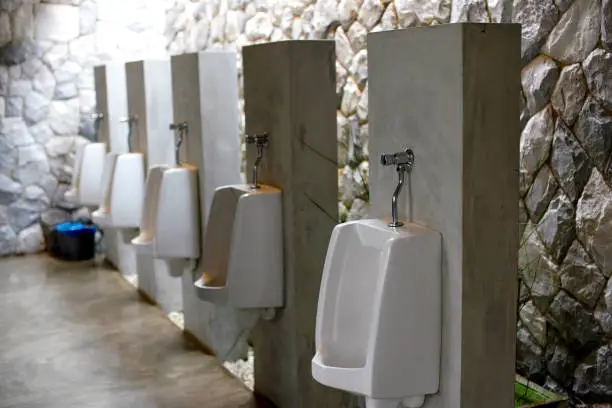
Commercial Restroom Plumbing Design
Commercial restroom plumbing design is about much more than placing toilets and sinks. These systems must handle high usage, meet strict health and building codes, support accessibility requirements, and remain reliable for years with minimal maintenance. Poor design can lead to frequent repairs, water waste, and unhappy occupants or customers.
At S-Line Contractors, we approach commercial restroom plumbing with careful planning, coordination, and long-term performance in mind. Here’s how professional restroom plumbing design works—and why it matters.
Why Commercial Restroom Plumbing Design Matters
Unlike residential bathrooms, commercial restrooms must:
- Support heavy daily usage
- Meet health and safety regulations
- Comply with ADA requirements
- Minimize downtime and maintenance
Well-designed systems keep businesses running smoothly and reduce long-term costs.
Fixture Layout and Traffic Flow
Effective design starts with fixture placement. Proper layouts:
- Improve user flow and accessibility
- Reduce congestion during peak hours
- Simplify plumbing routing
- Lower installation and maintenance costs
Grouping fixtures efficiently also improves drainage performance.
Pipe Sizing and Water Supply Planning
Commercial restrooms require properly sized supply lines to maintain consistent pressure. Design considerations include:
- Fixture demand and usage volume
- Peak occupancy times
- Hot and cold water balance
Undersized piping leads to pressure drops and poor user experience.
Drain, Waste, and Vent (DWV) Systems
High-use restrooms need robust DWV systems. Proper planning ensures:
- Correct pipe slopes
- Adequate venting
- Reduced clog risk
- Smooth wastewater flow
DWV design is critical for odor control and long-term reliability.
ADA and Accessibility Requirements
Commercial restrooms must meet accessibility standards. Plumbing design must account for:
- Fixture heights and clearances
- Accessible sinks and toilets
- Proper reach ranges
ADA-compliant plumbing protects businesses from liability and improves usability for all occupants.
Water Efficiency and Sustainability
Modern commercial restroom design prioritizes water conservation through:
- Low-flow toilets and urinals
- Sensor-operated faucets
- Efficient flush valves
These features reduce water usage and operating costs while meeting California efficiency standards.
Code Compliance and Permits
Commercial restroom plumbing must comply with:
- California Plumbing Code
- Local health department regulations
- City and county building requirements
Permits and inspections ensure systems are safe, sanitary, and legally approved.
Coordination With Other Trades
Plumbing must align with:
- Electrical systems
- Ventilation and exhaust
- Wall and floor construction
Early coordination prevents conflicts, delays, and costly rework during construction.
Maintenance and Service Access
Smart plumbing design includes access for future service. This involves:
- Cleanouts in accessible locations
- Serviceable flush valves
- Durable materials
Easy access reduces downtime and repair costs.
Planning for Long-Term Durability
Commercial restrooms experience constant use. Durable plumbing materials and quality installation help:
- Extend system lifespan
- Reduce leaks and failures
- Maintain consistent performance
Durability is essential for high-traffic environments.
Why Professional Design Makes a Difference
Professional restroom plumbing design ensures:
- Code compliance
- Efficient operation
- Lower long-term costs
- Better user experience
Cutting corners often leads to recurring problems.
Final Thoughts
Commercial restroom plumbing design plays a major role in building performance, user comfort, and long-term operating costs. When systems are thoughtfully planned and professionally installed, they deliver reliability and efficiency for years to come.
At S-Line Contractors, we design commercial restroom plumbing systems with precision and foresight—ensuring compliance, durability, and smooth daily operation.
Frequently Asked Questions (FAQ)
How is commercial restroom plumbing different from residential?
Commercial systems handle higher usage, require larger pipes, and must meet stricter codes.
Are permits required for commercial restroom plumbing?
Yes. Permits and inspections are required for compliance and safety.
What fixtures are commonly used in commercial restrooms?
Flush valve toilets, sensor faucets, and water-efficient urinals are common.
Does restroom plumbing design affect maintenance costs?
Absolutely. Good design reduces clogs, leaks, and service issues.
Does S-Line Contractors handle commercial restroom plumbing projects?
Yes. We coordinate design, permits, and licensed plumbing installation for commercial restrooms.
Let’s Build Something Together
Ready to elevate your commercial space? Contact S-Line Contractors today to discuss your project and discover how we can bring your vision to life.