

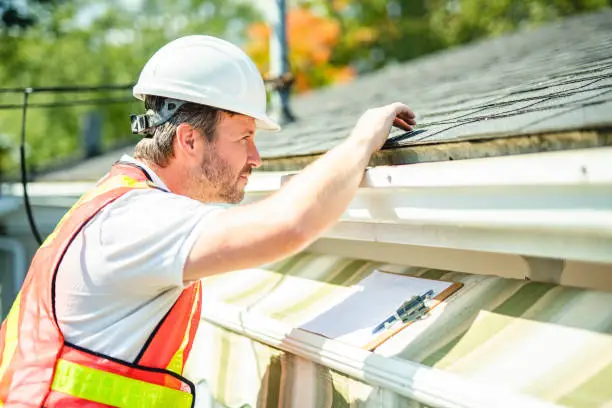
How to Repair a Leaky Roof
A leaky roof is one of the most stressful problems a homeowner or property manager can face. Even a small leak can lead to water damage, mold growth, insulation failure, and costly structural repairs if it’s not addressed quickly and properly.
At S-Line Contractors, we see firsthand how early action and correct repairs can prevent major damage. Here’s a clear, professional breakdown of how leaky roofs are repaired—and when it’s time to bring in an expert.
Step 1: Identify the Source of the Leak
Roof leaks don’t always appear directly above the visible water damage. Common sources include:
- Damaged or missing shingles
- Cracked flashing around vents or chimneys
- Worn roof valleys
- Clogged drainage areas
Water can travel along framing before it becomes visible indoors.
Step 2: Inspect the Roof Safely
Roof inspections should always be done with safety in mind. This includes:
- Avoiding wet or unstable surfaces
- Using proper ladders and fall protection
- Inspecting from inside the attic when possible
If the roof is steep or damaged, professional inspection is recommended.
Step 3: Check Flashing and Penetrations
Flashing failures are one of the most common causes of leaks. Areas to inspect include:
- Chimneys
- Skylights
- Vent pipes
- Roof-to-wall transitions
Loose or corroded flashing allows water to seep beneath roofing materials.
Step 4: Repair or Replace Damaged Shingles
Cracked, curled, or missing shingles should be repaired or replaced promptly. Proper repairs involve:
- Removing damaged materials
- Installing new shingles correctly
- Sealing fasteners and edges
Improper patching often leads to repeated leaks.
Step 5: Seal Small Cracks and Gaps
Minor leaks caused by small openings may be addressed with approved roofing sealants. These are best used for:
- Temporary protection
- Small penetrations
- Emergencies
Sealants are not a long-term solution for widespread damage.
Step 6: Address Roof Valleys and Drainage
Roof valleys carry large volumes of water. Leaks can occur if valleys are:
- Improperly installed
- Filled with debris
- Worn over time
Clearing and repairing valleys helps restore proper drainage.
Step 7: Inspect the Attic and Insulation
Interior inspections help confirm the extent of damage. Look for:
- Wet insulation
- Stained rafters
- Mold or mildew smells
Interior moisture often indicates how long the leak has been active.
Step 8: Test the Repair
After repairs, controlled water testing ensures the issue is resolved. This step helps:
- Confirm that the leak source was fixed
- Prevent future surprises
- Avoid hidden damage
Testing is critical before considering the repair complete.
Step 9: Know When Repairs Aren’t Enough
Some situations require more than a simple repair, including:
- Widespread shingle failure
- Structural roof damage
- Repeated leaks in the same area
- Aging roofs near the end of their lifespan
In these cases, partial or full roof replacement may be the smarter option.
Step 10: Prevent Future Roof Leaks
Preventative maintenance includes:
- Regular roof inspections
- Clearing debris
- Addressing minor issues early
- Maintaining flashing and seals
Proactive care reduces emergency repairs and extends roof life.
Final Thoughts
Repairing a leaky roof isn’t just about stopping water—it’s about protecting your entire building. Proper diagnosis, quality materials, and professional workmanship make the difference between a temporary fix and a lasting solution.
At S-Line Contractors, we approach roof leak repairs with precision and transparency—helping property owners resolve issues before they become major problems.
Frequently Asked Questions (FAQ)
Can I repair a roof leak myself?
Minor issues may be manageable, but many leaks require professional repair to prevent further damage.
How urgent is a roof leak?
Very urgent. Even small leaks can cause major damage over time.
Will insurance cover roof leak repairs?
Coverage depends on the cause and policy. Documentation is important.
How long does a roof repair take?
Simple repairs may take a few hours; complex issues can take longer.
Does S-Line Contractors repair leaky roofs?
Yes. We inspect, repair, and restore roofing systems to prevent ongoing damage.
Let’s Build Something Together
Ready to elevate your commercial space? Contact S-Line Contractors today to discuss your project and discover how we can bring your vision to life.