
Roofing Safety Standards
Roofing is one of the most high-risk areas in construction. Working at height, handling heavy materials, and exposure to weather make safety standards essential—not optional. Following proper roofing safety standards protects workers, prevents property damage, and keeps projects compliant and on schedule.
At S-Line Contractors, safety is built into every phase of roofing work. Here’s what roofing safety standards involve and why they matter on every job site.
Why Roofing Safety Standards Matter
Roofing accidents can lead to serious injuries, project delays, and legal issues. Strong safety standards help:
- Protect workers from falls and injuries
- Prevent damage to the structure
- Reduce liability and downtime
- Maintain compliance with regulations
A safe job site is a productive job site.
Fall Protection Requirements
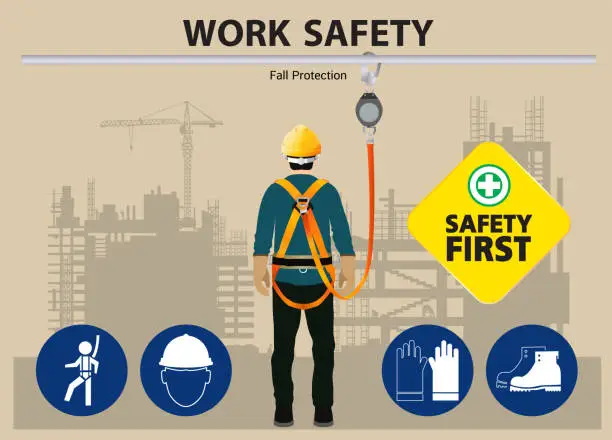
Fall protection is one of the most critical roofing safety measures. This includes:
- Guardrails or safety barriers
- Harnesses and lifelines
- Proper anchor points
Any work performed at height must follow strict fall-prevention guidelines.
Proper Training and Supervision
Roofing crews should be trained to:
- Use safety equipment correctly
- Identify hazards before work begins
- Follow established job-site procedures
Experienced supervision ensures standards are followed consistently.
Safe Access and Ladder Use
Accessing the roof safely is just as important as working on it. Best practices include:
- Proper ladder placement and securing
- Clear access points
- Stable walking surfaces
Unsafe access often leads to preventable accidents.
Weather Awareness and Planning
Roofing work is affected by weather conditions. Safety standards require:
- Avoiding work during high winds or rain
- Monitoring heat exposure
- Adjusting schedules when conditions are unsafe
Weather-related planning reduces risk significantly.
Tool and Equipment Safety
Roofing tools must be handled and stored properly. This includes:
- Securing tools to prevent falling objects
- Using equipment designed for roofing work
- Inspecting tools regularly for defects
Proper tool management protects workers below and on the roof.
Material Handling and Load Management
Roofing materials can be heavy and awkward. Safety practices focus on:
- Safe lifting techniques
- Even material distribution
- Preventing overload on roof structures
Good handling protects both workers and the building.
Personal Protective Equipment (PPE)
Roofing crews should wear appropriate PPE, such as:
- Hard hats
- Non-slip footwear
- Gloves and eye protection
PPE reduces injury risk during everyday tasks.
Job Site Housekeeping
A clean roof is a safer roof. Standards require:
- Removing debris promptly
- Keeping walkways clear
- Organizing materials
Good housekeeping minimizes trip and slip hazards.
Compliance With Regulations
Roofing safety standards align with local, state, and federal regulations. Compliance helps:
- Avoid fines and penalties
- Pass inspections
- Maintain professional credibility
Following regulations protects everyone involved.
Why Professional Contractors Make a Difference
Professional contractors enforce safety standards through:
- Planning and risk assessments
- Trained crews
- Clear safety protocols
Experience and accountability reduce the chance of accidents.
Final Thoughts
Roofing safety standards exist to protect lives, property, and projects. When safety is prioritized, roofing work is completed more efficiently, with fewer delays and better outcomes for everyone involved.
At S-Line Contractors, we don’t treat safety as an afterthought—we treat it as a foundation for quality construction.
Frequently Asked Questions (FAQ)
Are roofing safety standards required by law?
Yes. Safety standards are required and enforced to protect workers and job sites.
What is the biggest safety risk in roofing?
Falls are the leading risk, which is why fall protection is critical.
Does the weather affect roofing safety?
Absolutely. Rain, wind, and extreme heat increase safety risks.
Who is responsible for roofing safety on a job site?
Contractors are responsible for maintaining and enforcing safety standards.
Does S-Line Contractors follow roofing safety standards?
Yes. Safety compliance is a core part of every roofing project we manage.
Let’s Build Something Together
Ready to elevate your commercial space? Contact S-Line Contractors today to discuss your project and discover how we can bring your vision to life.