

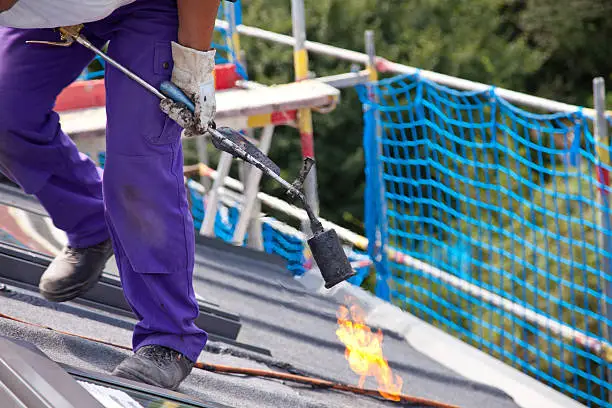
Fire-Resistant Roofing Materials
In fire-prone regions, your roof is one of the most important lines of defense. Fire-resistant roofing materials help slow the spread of flames, protect the structure beneath, and improve overall building safety. Choosing the right roofing system can make a meaningful difference during wildfire events or accidental fires.
At S-Line Contractors, we help property owners select roofing materials that meet safety standards while delivering long-term durability and performance. Here’s what you should know about fire-resistant roofing options.
Why Fire-Resistant Roofing Matters
Fire-resistant roofing materials are designed to:
- Reduce ignition risk from embers
- Slow flame spread across the roof
- Protect the roof structure underneath
- Improve overall building safety
In many areas, fire resistance is not just recommended—it’s required by code.
Fire Ratings Explained
Roofing materials are typically rated as:
- Class A – Highest fire resistance
- Class B – Moderate resistance
- Class C – Basic resistance
Class A materials offer the best protection and are commonly required in wildfire-prone zones.
Metal Roofing
Metal roofing is one of the most fire-resistant options available.
Benefits include:
- Non-combustible material
- Excellent resistance to flying embers
- Long lifespan and low maintenance
Metal roofs are popular for both residential and commercial buildings in high-risk areas.
Clay and Concrete Tile Roofing
Tile roofing performs extremely well in fire conditions.
Why tiles are effective:
- Naturally non-combustible
- High heat resistance
- Durable under extreme conditions
Proper installation is essential, as gaps beneath tiles must be sealed correctly.
Asphalt Shingles (Fire-Rated Options)
Not all asphalt shingles are equal. Fire-rated shingles can achieve Class A ratings when installed properly.
Advantages:
- Widely available
- Cost-effective
- Improved fire performance when combined with proper underlayment
They are a common choice for residential homes.
Slate Roofing
Slate is a premium roofing material with excellent fire resistance.
Key features:
- Natural stone composition
- Extremely long lifespan
- High fire and weather resistance
Slate is ideal for property owners seeking maximum durability and safety.
Fire-Resistant Underlayment
Roof safety isn’t just about surface materials. Fire-resistant underlayment adds protection by:
- Slowing fire spread beneath the roofing
- Enhancing overall roof performance
- Supporting Class A ratings
Underlayment plays a critical role in fire resistance.
Building Codes and Fire Zones
California and other fire-prone regions enforce strict roofing standards. These codes help:
- Reduce wildfire damage
- Improve neighborhood safety
- Protect lives and property
Choosing compliant materials avoids delays and inspection issues.
Maintenance and Fire Safety
Even fire-resistant roofs require maintenance. Best practices include:
- Clearing debris from roof surfaces
- Maintaining gutters and drainage
- Inspecting seals and flashing
Maintenance reduces ignition risk from embers.
Fire Resistance and Property Value
Fire-resistant roofing can improve property value by:
- Increasing buyer confidence
- Lowering insurance risk
- Enhancing long-term durability
Safety upgrades often deliver long-term returns.
Why Professional Installation Matters
Fire resistance depends heavily on proper installation. Professionals ensure:
- Code compliance
- Correct material pairing
- Secure fastening and sealing
Improper installation can compromise even the best materials.
Final Thoughts
Fire-resistant roofing materials offer peace of mind, safety, and long-term value—especially in regions where fire risk is a real concern. The right materials, paired with professional installation, can significantly reduce vulnerability and protect what matters most.
At S-Line Contractors, we guide clients through fire-resistant roofing options that balance safety, durability, and performance.
Frequently Asked Questions (FAQ)
What is the best fire-resistant roofing material?
Class A–rated materials, such as metal, tile, and slate, offer the highest protection.
Are fire-resistant roofs required in California?
Many areas require fire-rated roofing, especially in wildfire-prone zones.
Can asphalt shingles be fire-resistant?
Yes, when they are Class A–rated and installed correctly.
Does fire-resistant roofing require special maintenance?
Regular cleaning and inspections are still important to maintain performance.
Does S-Line Contractors install fire-resistant roofing systems?
Yes. We help select and install roofing materials that meet safety and code requirements.
Let’s Build Something Together
Ready to elevate your commercial space? Contact S-Line Contractors today to discuss your project and discover how we can bring your vision to life.