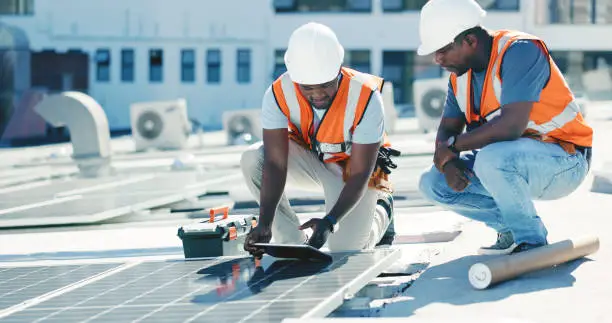
Commercial Roofing Solutions
Commercial roofing is more than just covering a building—it’s about protecting operations, controlling costs, and ensuring long-term performance. The right commercial roofing solution can enhance energy efficiency, minimize maintenance issues, and prolong the lifespan of the entire structure.
At S-Line Contractors, we help businesses and property owners choose roofing systems that match their building type, usage demands, and budget. Here’s an overview of the most effective commercial roofing solutions and how to choose the right one.
Why Commercial Roofing Requires Specialized Solutions
Commercial roofs differ significantly from residential roofs. They must:
- Cover larger surface areas
- Support HVAC units and equipment
- Handle foot traffic for maintenance
- Meet strict building and safety codes
A one-size-fits-all approach rarely works in commercial construction.
Common Types of Commercial Roofing Systems
Flat and Low-Slope Roofing
Flat roofs are common in commercial buildings due to their practicality and cost efficiency. Popular systems include:
- TPO roofing
- PVC roofing
- Modified bitumen
- Built-up roofing (BUR)
These systems are designed for durability, flexibility, and easy maintenance.
Metal Roofing Systems
Metal roofing is increasingly popular for commercial properties. Benefits include:
- Long lifespan
- Fire resistance
- Low maintenance
- Energy-efficient reflective coatings
Metal roofs work well for warehouses, retail centers, and industrial buildings.
Single-Ply Membrane Roofing
Single-ply systems are lightweight and efficient. Advantages include:
- Fast installation
- Strong waterproofing
- Seam-welded protection
They’re ideal for large commercial roof surfaces.
Energy-Efficient Commercial Roofing
Modern commercial roofing solutions often focus on efficiency. Cool roofing systems help:
- Reflect heat
- Lower indoor temperatures
- Reduce HVAC costs
Energy-efficient roofs are especially valuable in warm climates like California.
Drainage and Water Management
Proper drainage is critical for commercial roofs. Effective systems include:
- Internal roof drains
- Scuppers
- Tapered insulation for slope
Good drainage prevents ponding water and extends the roof’s lifespan.
Roofing for High-Traffic Roofs
Many commercial roofs require regular access for maintenance. Roofing systems must be:
- Durable under foot traffic
- Resistant to punctures
- Easy to repair
Designing for access reduces long-term damage.
Code Compliance and Safety
Commercial roofing must meet local and state codes related to:
- Fire resistance
- Wind uplift
- Energy efficiency
- Structural load
Professional oversight ensures compliance and smooth inspections.
Maintenance and Long-Term Performance
Routine maintenance is key to maximizing roof life. Commercial roofing solutions should include:
- Scheduled inspections
- Preventative repairs
- Drain cleaning
Proactive care reduces emergency repairs and downtime.
When to Repair vs. Replace
Not every roofing issue requires full replacement. A professional evaluation helps determine whether:
- Targeted repairs are sufficient
- A roof overlay is appropriate
- Full replacement is the most cost-effective option
The right decision saves time and money.
Why Professional Installation Matters
Commercial roofing systems are complex. Professional contractors ensure:
- Proper material selection
- Correct installation techniques
- Manufacturer warranty compliance
Experience directly impacts performance and longevity.
Final Thoughts
Choosing the right commercial roofing solution is an investment in safety, efficiency, and long-term building performance. The right system minimizes risk, controls costs, and supports daily operations without interruption.
At S-Line Contractors, we deliver commercial roofing solutions built for durability, compliance, and real-world performance.
Frequently Asked Questions (FAQ)
What is the most common commercial roofing system?
TPO and other single-ply membrane systems are among the most common.
How long do commercial roofs typically last?
Depending on the system, commercial roofs can last 15–40 years with proper maintenance.
Can commercial roofing improve energy efficiency?
Yes. Reflective and insulated systems can significantly reduce cooling costs.
How often should commercial roofs be inspected?
At least once a year and after major storms.
Does S-Line Contractors handle commercial roofing projects?
Yes. We plan, install, and maintain commercial roofing systems for a wide range of buildings.
Let’s Build Something Together
Ready to elevate your commercial space? Contact S-Line Contractors today to discuss your project and discover how we can bring your vision to life.