

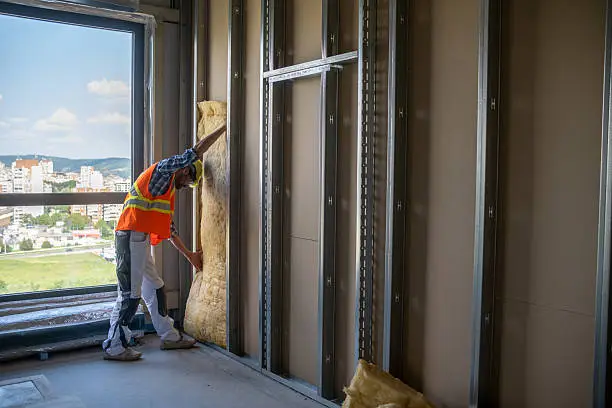
Soundproofing Walls and Ceilings for Offices
Noise can quietly sabotage productivity. In busy offices, sound travels through walls, ceilings, and even structural framing—making private conversations difficult and focus harder to maintain. Thoughtful soundproofing isn’t a luxury; it’s a practical upgrade that supports performance, comfort, and professionalism.
At S-Line Contractors, we design and install office soundproofing solutions that balance performance, budget, and buildability. Here’s how effective soundproofing works—and where it delivers the biggest impact.
Why Office Soundproofing Matters
Proper sound control helps offices:
- Improve employee focus and productivity
- Protect confidential conversations
- Reduce stress and distractions
- Create a more professional environment
Quiet spaces support better work outcomes.
How Sound Travels in Offices
Sound moves in two main ways:
- Airborne noise: voices, phones, meetings
- Structure-borne noise: vibrations through walls, ceilings, and framing
Effective soundproofing addresses both paths—not just one.
Soundproofing Walls: Best Practices
Add Mass
Heavier walls block sound more effectively. Common upgrades include:
- Additional drywall layers
- Specialized sound-dampening drywall
More mass equals less noise transfer.
Decouple Wall Assemblies
Decoupling reduces vibration transfer by separating surfaces. Methods include:
- Resilient channels
- Double-stud walls (when space allows)
This is highly effective for offices needing privacy.
Insulate Wall Cavities
Sound-absorbing insulation (like mineral wool) helps:
- Reduce echo within walls
- Minimize sound passing through the framing
Insulation is a cost-effective improvement.
Soundproofing Ceilings: What Works
Ceilings are often overlooked but critical in multi-story offices. Options include:
- Acoustic ceiling tiles
- Insulated ceiling cavities
- Resilient mounting systems
These reduce noise from footsteps, equipment, and conversations above.
Acoustic Panels vs. Soundproofing
It’s important to know the difference:
- Acoustic panels absorb sound inside a room (reduce echo)
- Soundproofing systems block sound from entering or leaving
Many offices benefit from a combination of both.
Doors, Gaps, and Weak Points
Even the best walls fail if sound leaks through gaps. Address:
- Door seals and sweeps
- Outlet and penetration sealing
- Ceiling and wall junctions
Sound finds the weakest path.
Balancing Privacy and Open Design
Modern offices often favor open layouts. Smart soundproofing allows:
- Open collaboration areas
- Quiet private rooms
- Controlled sound zones
Design and planning make both possible.
Soundproofing During Renovations vs. New Builds
Soundproofing is easiest during construction, but upgrades are possible during remodels. Early planning helps:
- Reduce cost
- Minimize disruption
- Integrate systems cleanly
Professional assessment ensures the right approach.
Code and Building Considerations
Office soundproofing must work alongside:
- Fire-rated assemblies
- Mechanical and electrical systems
- Building codes and occupancy requirements
Coordination keeps projects compliant and efficient.
Why Professional Installation Matters
Soundproofing is only effective when installed correctly. Professional execution ensures:
- Proper material placement
- Sealed assemblies
- Measurable performance improvements
Experience makes a noticeable difference.
How S-Line Contractors Approaches Soundproofing
We evaluate each office for:
- Noise sources
- Privacy needs
- Budget and layout constraints
Then we design soundproofing solutions that actually perform in real-world conditions.
Final Thoughts
Soundproofing walls and ceilings transforms offices into spaces where people can think clearly, communicate confidently, and work comfortably. It’s one of the most impactful upgrades for modern workplaces.
At S-Line Contractors, we deliver soundproofing solutions that support productivity without compromising design or functionality.
Frequently Asked Questions (FAQ)
Can offices be fully soundproofed?
Complete soundproofing is rare, but significant noise reduction is very achievable.
Is soundproofing expensive?
Costs vary by scope, but targeted upgrades can deliver strong results without major expense.
Do acoustic panels stop sound from leaving a room?
No. Panels absorb echo but don’t block sound transmission.
When is the best time to add soundproofing?
During construction or renovation, though retrofits are possible.
Does S-Line Contractors provide office soundproofing solutions?
Yes. We design and install wall and ceiling soundproofing for commercial offices.
Let’s Build Something Together
Ready to elevate your commercial space? Contact S-Line Contractors today to discuss your project and discover how we can bring your vision to life.