

The Best Materials for Interior Walls
Interior walls do more than divide rooms—they shape comfort, durability, acoustics, and the overall look of a space. Choosing the right wall material can improve daily use, reduce maintenance, and support long-term value. The “best” option depends on how the space is used, the budget, and the desired finish.
At S-Line Contractors, we help clients select interior wall materials that balance performance and aesthetics. Here’s a practical breakdown of the most common—and most effective—choices.
Drywall (Gypsum Board)
Best for: Most homes and commercial interiors
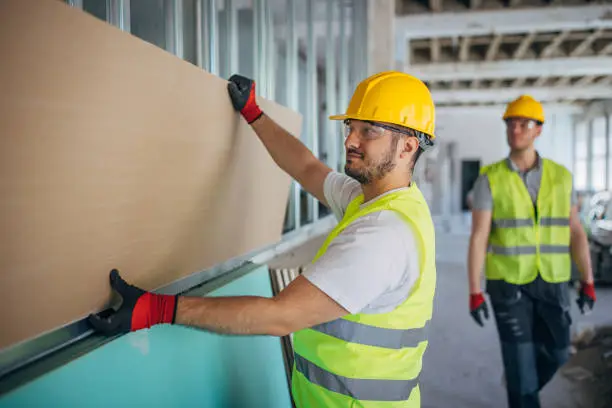
Drywall is the standard for modern construction due to its versatility and efficiency.
Pros:
- Affordable and widely available
- Fast installation and easy repairs
- Smooth finish for paint and textures
Considerations:
- Less impact-resistant than some alternatives
- Benefits from proper framing and insulation
Plaster
Best for: Historic homes and high-end custom interiors
Plaster offers a solid, premium feel and timeless appeal.
Pros:
- Dense and durable
- Excellent sound dampening
- Custom textures and finishes
Considerations:
- Higher labor cost
- Longer installation and repair time
Wood Paneling and Millwork
Best for: Accent walls and warm, character-rich spaces
Wood walls add texture and visual interest.
Pros:
- Natural warmth and style
- Can hide imperfections
- Works well as a feature wall
Considerations:
- Requires proper sealing
- Higher material cost depending on the species
MDF and Engineered Panels
Best for: Budget-friendly decorative applications
Engineered panels mimic wood at a lower cost.
Pros:
- Smooth, consistent surface
- Paints well
- Cost-effective
Considerations:
- Sensitive to moisture
- Not ideal for high-humidity areas
Concrete and Concrete Panels
Best for: Modern, industrial-style interiors
Concrete walls deliver a bold, minimalist look.
Pros:
- Extremely durable
- Fire-resistant
- Strong sound control
Considerations:
- Higher installation cost
- Requires skilled finishing
Brick and Stone Veneer
Best for: Feature walls and statement interiors
Veneers add texture without full structural weight.
Pros:
- Timeless appearance
- Durable and low maintenance
- Adds depth and character
Considerations:
- Higher material and installation costs
- Not ideal for every room
Glass and Partition Systems
Best for: Offices and modern open layouts
Glass walls maintain openness while dividing space.
Pros:
- Natural light flow
- Clean, modern look
- Flexible layouts
Considerations:
- Limited sound control without upgrades
- Privacy considerations
Moisture-Resistant Wall Materials
Best for: Bathrooms, kitchens, and utility areas
Specialty boards and panels resist moisture damage.
Pros:
- Mold and moisture resistance
- Longer lifespan in wet areas
Considerations:
Slightly higher cost than standard drywall
Sound and Insulation Performance
Wall materials affect acoustics and comfort. Pairing materials with proper insulation improves:
- Sound control
- Energy efficiency
- Overall comfort
Material choice and assembly matter equally.
Durability and Maintenance
High-traffic spaces benefit from durable materials that:
- Resist dents and wear
- Clean easily
- Maintain appearance over time
Choosing for use—not just looks—prevents regrets.
Matching Materials to Purpose
The best interior wall material depends on:
- Room function
- Traffic level
- Moisture exposure
- Design goals
A thoughtful approach avoids overbuilding or underperforming.
Why Professional Guidance Matters
Improper material selection can lead to:
- Premature damage
- Higher maintenance costs
- Performance issues
Professional input ensures the wall system works as intended.
How S-Line Contractors Helps
At S-Line Contractors, we evaluate your space and recommend wall materials based on:
- Function and durability needs
- Budget and timeline
- Design vision
Our goal is walls that look great and perform for years.
Final Thoughts
Interior walls shape how a space feels, functions, and lasts. Choosing the right materials ensures comfort, durability, and a finished look that stands the test of time.
At S-Line Contractors, we help clients make smart, informed decisions—so interior walls do more than divide space; they enhance it.
Frequently Asked Questions (FAQ)
What is the most common interior wall material?
Drywall is the most widely used due to cost and versatility.
Are plaster walls better than drywall?
Plaster is more durable but costs more and takes longer to install.
What wall material is best for soundproofing?
Dense materials combined with insulation provide the best sound control.
Can different wall materials be used in the same home?
Yes. Mixing materials by room function is common and effective.
Does S-Line Contractors help select wall materials?
Yes. We guide material selection and handle professional installation.
Let’s Build Something Together
Ready to elevate your commercial space? Contact S-Line Contractors today to discuss your project and discover how we can bring your vision to life.