

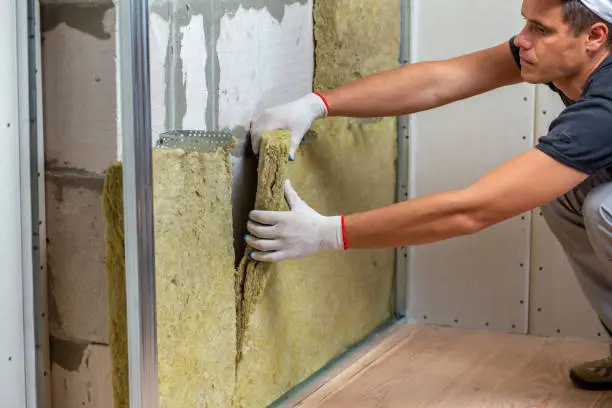
Fire-Resistant Wall Systems
Fire-resistant wall systems play a critical role in protecting people, property, and structures during a fire. These systems are designed to slow the spread of flames, contain heat, and provide occupants with valuable time to evacuate safely. In many cases, they’re not just a smart choice—they’re a code requirement.
At S-Line Contractors, we design and install fire-resistant wall systems that balance safety, performance, and compliance for both residential and commercial projects.
What Are Fire-Resistant Wall Systems?
Fire-resistant wall systems are assemblies engineered to withstand fire for a specific period of time. They typically include:
- Fire-rated drywall or gypsum board
- Metal or wood framing
- Fire-resistant insulation
- Proper joint treatment and sealants
The entire assembly—not just one material—determines fire performance.
Why Fire Resistance Matters
Fire-resistant walls help:
- Slow fire spread between rooms or units
- Protect structural elements
- Improve occupant safety
- Meet building and fire code requirements
They’re essential in multi-family, commercial, and mixed-use buildings.
Understanding Fire Ratings
Fire-rated wall systems are tested and rated by time, commonly:
- 1-hour fire-rated walls
- 2-hour fire-rated walls
These ratings indicate how long a wall can resist fire under test conditions.
Common Fire-Resistant Wall Materials
Fire-Rated Drywall
Special gypsum boards contain additives that improve fire resistance and structural integrity under heat.
Mineral Wool Insulation
This insulation is non-combustible and helps contain heat and sound within wall cavities.
Fire-Resistant Sealants
Sealants and joint compounds prevent flames and smoke from passing through seams and penetrations.
Fire-Resistant Walls in Commercial Buildings
In commercial construction, fire-resistant walls are used to:
- Separate tenant spaces
- Protect exit corridors and stairwells
- Isolate mechanical and electrical rooms
Proper installation is essential for passing inspections.
Residential Applications
In residential projects, fire-resistant wall systems are commonly used between:
- Attached units
- Garages and living spaces
- Multi-story levels
These systems help protect families and property.
The Importance of Proper Installation
Even the best materials fail if installed incorrectly. Fire-resistant wall systems require:
- Correct fastening patterns
- Approved materials only
- Sealed penetrations for wiring and plumbing
Attention to detail is critical for performance.
Code Compliance and Inspections
Fire-resistant wall systems must meet local and state building codes. Inspections verify:
- Proper assembly
- Correct materials
- Compliance with approved plans
Professional coordination helps avoid delays and rework.
Fire Resistance and Sound Control
Many fire-rated wall systems also improve sound isolation. This dual benefit makes them ideal for offices, apartments, and mixed-use buildings.
Long-Term Value and Liability Protection
Fire-resistant construction can:
- Reduce property damage
- Improve insurance considerations
- Limit liability exposure
Safety-focused design protects more than just structures.
How S-Line Contractors Approaches Fire-Resistant Walls
At S-Line Contractors, we focus on:
- Code-compliant system design
- Precise installation
- Coordination with inspectors and other trades
Our goal is wall systems that perform exactly as intended.
Final Thoughts
Fire-resistant wall systems are a critical component of safe, responsible construction. When designed and installed correctly, they provide essential protection, code compliance, and peace of mind.
At S-Line Contractors, we take fire safety seriously—delivering wall systems built to protect people, property, and long-term investment.
Frequently Asked Questions (FAQ)
Are fire-resistant walls fireproof?
No. They are designed to resist fire for a set time, not indefinitely.
Do fire-resistant walls require special materials?
Yes. Approved fire-rated materials and assemblies are required.
Are fire-rated walls required by code?
In many commercial and multi-family buildings, yes.
Can penetrations reduce fire resistance?
Yes. All penetrations must be properly sealed with approved materials.
Does S-Line Contractors install fire-resistant wall systems?
Yes. We design and install code-compliant fire-resistant wall assemblies.
Let’s Build Something Together
Ready to elevate your commercial space? Contact S-Line Contractors today to discuss your project and discover how we can bring your vision to life.