

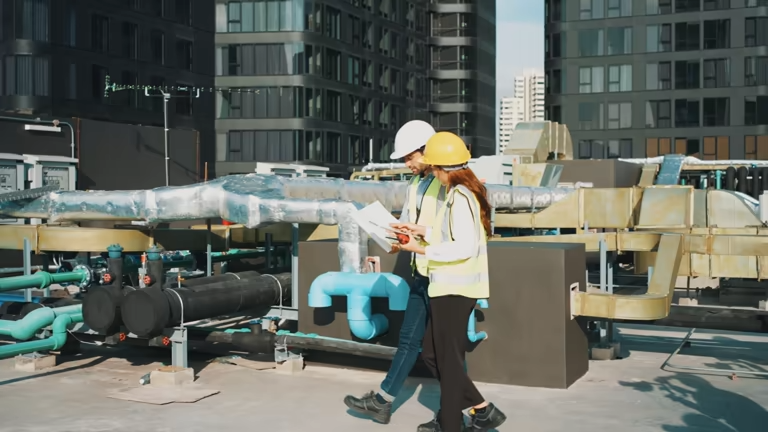
Commercial HVAC, Plumbing, and Electrical Coordination
In commercial construction, the success of any project relies heavily on how well its HVAC, plumbing, and electrical systems work together. These systems power your building, control its comfort, support daily operations, and ensure safety. But because each system is complex on its own, poor coordination between trades can lead to delays, costly rework, safety hazards, and long-term inefficiencies.
At S-Line Contractors, we understand that mechanical, electrical, and plumbing (MEP) coordination isn’t just a step in the process — it’s the backbone of a reliable and high-performing commercial building. Our project managers work closely with specialized subcontractors to ensure every system is installed correctly, efficiently, and in alignment with the overall design.
Here’s how proper coordination of HVAC, plumbing, and electrical systems helps commercial projects run smoothly from start to finish.
Why MEP Coordination Matters
Commercial buildings depend on well-integrated systems to function. When HVAC, plumbing, and electrical installations are carefully coordinated, businesses experience:
- Better system performance
- Fewer maintenance issues
- Improved energy efficiency
- Faster project timelines
- Lower long-term costs
- Fewer conflicts during inspections
MEP coordination ensures that all systems fit properly, share pathways efficiently, and meet California’s strict building codes.
1. Early Collaboration Between Trades
The earlier coordination begins, the better. During the pre-construction and design phases, S-Line Contractors brings mechanical, plumbing, and electrical experts together to:
- Review architectural and structural drawings
- Identify potential conflicts
- Map out equipment locations
- Determine optimal routing for pipes, ducts, and conduits
- Ensure systems do not compete for the same space
This early collaboration helps avoid issues like ductwork clashing with plumbing lines or electrical conduits blocking HVAC clearances.
2. Strategic Routing and Space Planning
Commercial buildings require significant behind-the-scenes infrastructure. Systems must be installed in ways that maximize performance while conserving space.
We use:
- 3D coordination tools
- Detailed MEP drawings
- Clear ceiling and wall layout planning
- Efficient routing strategies
Proper routing reduces clutter, increases accessibility for maintenance, and prevents costly rework.
3. Compliance With Codes and Safety Standards
California’s building codes — including Title 24 Energy Standards — require HVAC, plumbing, and electrical systems to meet strict safety, efficiency, and accessibility guidelines.
S-Line Contractors ensures compliance by:
- Coordinating with inspectors
- Using licensed subcontractors
- Verifying all materials and equipment
- Preparing detailed documentation
- Ensuring systems meet fire, energy, and mechanical codes
Proper compliance not only ensures safety but also prevents project delays during inspections.
4. Scheduling and Workflow Management
MEP coordination isn’t only about design — timing matters too. Each trade has its own workflow, and many steps depend on one another.
Our project managers create phased schedules that allow:
- Electricians to run conduit before walls are closed
- Plumbers to install main lines before the flooring is set
- HVAC teams to place ductwork and equipment before ceilings are finished
This smooth sequencing keeps the project on track and eliminates conflicts between crews.
5. Equipment Placement and Accessibility
Commercial HVAC units, plumbing manifolds, and electrical panels need to be placed in accessible locations for service and safety.
We ensure that:
- Mechanical rooms have proper clearance
- Electrical panels are not obstructed
- Shutoff valves are reachable
- HVAC equipment has service access
- Systems are protected from moisture and heat
Smart placement helps extend equipment life and reduces maintenance issues.
6. Energy Efficiency and Performance Optimization
Well-coordinated MEP systems contribute to lower utility bills and better environmental performance.
This includes:
- Proper duct and pipe insulation
- Efficient lighting systems
- Smart thermostats and HVAC controls
- Low-flow plumbing fixtures
- Optimized equipment sizing
We help clients choose materials and systems that reduce energy consumption without sacrificing performance.
Final Thoughts
Successful commercial construction depends on more than concrete and steel — it relies on the seamless coordination of HVAC, plumbing, and electrical systems. When these systems are integrated thoughtfully, your building becomes safer, more efficient, and easier to maintain for years to come.
At S-Line Contractors, we take pride in overseeing every detail of MEP coordination to ensure your project is completed to the highest standards. From early planning to final inspection, we bring the expertise needed to keep your building running at its best.
Frequently Asked Questions (FAQ)
Why is MEP coordination so important in commercial construction?
It prevents conflicts between systems, reduces delays, improves safety, and ensures efficiency and long-term building performance.
When should MEP coordination begin?
As early as possible — ideally during the design and pre-construction phases to avoid costly redesigns later.
How does S-Line Contractors manage coordination between trades?
We use experienced project managers, detailed MEP drawings, phased scheduling, and close communication with licensed subcontractors.
What issues occur without proper MEP coordination?
Delays, code violations, rework, blocked access, equipment failures, and higher long-term maintenance costs.
Can proper coordination improve energy efficiency?
Yes. Efficient routing, correct equipment sizing, and integrated systems significantly reduce energy use and operating expenses.
Let’s Build Something Together
Ready to elevate your commercial space? Contact S-Line Contractors today to discuss your project and discover how we can bring your vision to life.