

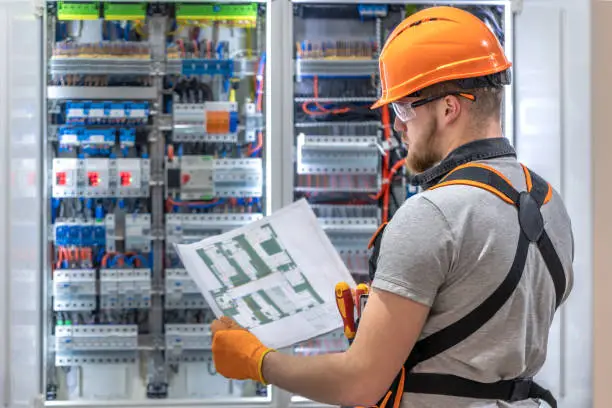
Electrical Safety Standards for Contractors
Electrical safety is a critical responsibility for every contractor. Whether working on residential remodels or large commercial projects, following established electrical safety standards protects workers, clients, and properties. One mistake can lead to serious injury, fires, or costly project delays.
At S-Line Contractors, safety is built into every phase of our work. Here’s an overview of the key electrical safety standards contractors must follow and why they matter.
1. Compliance With National and State Codes
Contractors must follow the National Electrical Code (NEC) along with California state and local regulations. These codes cover:
- Proper wiring methods
- Circuit protection
- Grounding and bonding
- Electrical panel requirements
Code compliance ensures consistent safety across all projects.
2. OSHA Electrical Safety Guidelines
OSHA regulations protect workers from electrical hazards on job sites. Contractors must:
- Identify live circuits
- Use lockout/tagout procedures
- Wear appropriate PPE
- Maintain safe working distances
Following OSHA standards reduces accidents and injuries.
3. Use of Licensed Electricians
Electrical work must be performed by licensed professionals. Licensed electricians:
- Understand safety standards
- Follow proper installation practices
- Ensure code compliance
- Reduce liability risks
Using qualified tradespeople is essential for safe construction.
4. Proper Training and Safety Programs
Contractors should provide ongoing training covering:
- Electrical hazard recognition
- Safe tool usage
- Emergency procedures
- Updated code requirements
Regular training keeps teams informed and prepared.
5. Safe Tools and Equipment
Using properly rated tools is critical. Safety standards require:
- Insulated tools
- Ground-fault protection
- Well-maintained equipment
- Proper storage of electrical gear
Faulty tools increase risk on job sites.
6. Job Site Hazard Assessments
Before work begins, contractors must evaluate:
- Electrical exposure risks
- Moisture conditions
- Confined spaces
- Proximity to live systems
Assessments help prevent accidents before they happen.
7. Temporary Power Safety
Temporary power systems are common during construction. Safety measures include:
- GFCI protection
- Proper grounding
- Secure wiring
- Weather protection
Temporary setups must meet the same safety standards as permanent systems.
8. Emergency Planning and Response
Electrical safety standards require contractors to prepare for emergencies by:
- Establishing clear shutdown procedures
- Training workers in emergency response
- Keeping fire extinguishers accessible
- Posting safety signage
Preparedness saves lives in critical situations.
9. Documentation and Inspections
Safety compliance includes maintaining:
- Inspection records
- Permit documentation
- Training logs
- Incident reports
Documentation supports accountability and regulatory compliance.
10. Continuous Safety Improvement
Electrical safety standards evolve. Contractors must:
- Stay updated on code changes
- Review safety procedures regularly
- Implement improvements as needed
A proactive safety culture reduces long-term risk.
Final Thoughts
Electrical safety standards are not optional — they are fundamental to responsible construction. Contractors who prioritize safety protect their teams, clients, and projects from unnecessary risk.
At S-Line Contractors, we are committed to maintaining the highest electrical safety standards on every job site, ensuring work is completed safely, professionally, and with confidence.
Frequently Asked Questions (FAQ)
Why are electrical safety standards important for contractors?
They protect workers, prevent accidents, and ensure projects meet legal requirements.
What happens if safety standards aren’t followed?
Violations can result in injuries, fines, project shutdowns, and legal liability.
Are safety standards different for residential and commercial projects?
The core principles are similar, but commercial projects often have stricter requirements.
How often should safety training be conducted?
Training should be ongoing, with regular updates as codes and regulations change.
How does S-Line Contractors ensure electrical safety?
We follow NEC and OSHA standards, work with licensed electricians, and maintain strict safety protocols.
Let’s Build Something Together
Ready to elevate your commercial space? Contact S-Line Contractors today to discuss your project and discover how we can bring your vision to life.