

The Future of Electrical Systems in Construction
Electrical systems are evolving faster than ever. As buildings become smarter, more energy-efficient, and increasingly connected, the role of electrical systems in construction is expanding well beyond basic power delivery. The future is focused on efficiency, adaptability, and intelligent design.
At S-Line Contractors, we stay ahead of emerging electrical trends to ensure our projects are built for today — and ready for what’s next. Here’s a look at how electrical systems are shaping the future of construction.
1. Smarter, More Integrated Electrical Systems
Future electrical systems are designed to integrate seamlessly with smart building technology. This includes:
- Smart lighting and controls
- Automated climate systems
- Integrated security and access control
- Centralized building management systems
These systems improve efficiency while giving owners more control.
2. Increased Focus on Energy Efficiency
Energy efficiency is no longer optional. Modern electrical systems prioritize:
- LED lighting throughout buildings
- Advanced energy monitoring
- Load management systems
- Reduced power waste
Energy-efficient systems lower operating costs and support sustainability goals.
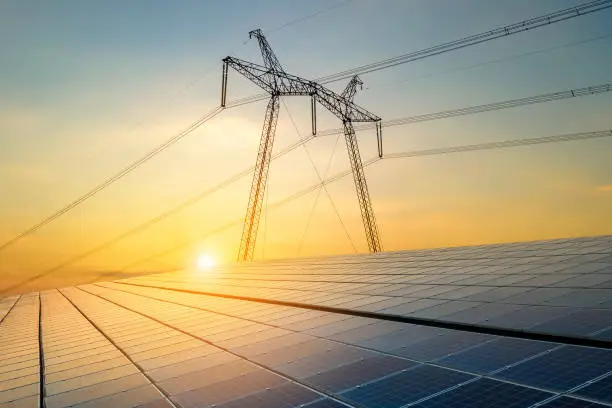
3. Renewable Energy Integration
Electrical systems are increasingly designed to support renewable energy sources, such as:
- Solar power systems
- Battery storage
- Microgrids
- Grid-interactive buildings
Future-ready construction allows easy integration of renewable solutions.
4. EV Charging Infrastructure as Standard
With the rise of electric vehicles, buildings are being designed with EV charging in mind. Electrical planning now includes:
- Dedicated EV circuits
- Load balancing technology
- Scalable charging capacity
EV readiness is quickly becoming a standard feature in new construction.
5. Advanced Electrical Panels and Distribution
Modern panels are smarter and more adaptable. Innovations include:
- Higher-capacity panels
- Smart breakers
- Real-time load monitoring
- Enhanced surge protection
These upgrades improve safety and long-term flexibility.
6. Greater Emphasis on Electrical Safety
As systems become more complex, safety remains a top priority. Future electrical systems emphasize:
- Improved grounding and bonding
- Arc-fault and ground-fault protection
- Better surge protection
- Enhanced fire prevention measures
Safety standards continue to evolve alongside technology.
7. Modular and Scalable Electrical Design
Future construction favors modular systems that allow easy expansion. This includes:
- Scalable panel capacity
- Flexible conduit pathways
- Adaptable wiring layouts
Scalability reduces renovation costs as buildings grow or change.
8. Data-Driven Electrical Management
Electrical systems are becoming more data-driven, providing insights into:
- Energy usage patterns
- Equipment performance
- Maintenance needs
This data helps property owners make smarter decisions and reduce downtime.
9. Code Evolution and Stricter Standards
Building codes are evolving to reflect modern electrical demands. Future construction must comply with:
- Updated energy codes
- Enhanced safety regulations
- Sustainability requirements
Working with experienced contractors ensures compliance with changing standards.
10. Skilled Electrical Coordination Is More Important Than Ever
As systems grow more advanced, proper coordination between electricians, engineers, and contractors becomes critical. Professional planning ensures:
- Seamless integration
- Fewer conflicts during construction
- Long-term system reliability
Expert oversight is essential for future-ready buildings.
Final Thoughts
The future of electrical systems in construction is centered on intelligence, efficiency, and adaptability. Buildings designed with modern electrical infrastructure are safer, more sustainable, and better equipped to meet future demands.
At S-Line Contractors, we build with foresight — ensuring electrical systems are not only code-compliant today but ready for tomorrow’s technology.
Frequently Asked Questions (FAQ)
How are electrical systems changing in construction?
They’re becoming smarter, more energy-efficient, and better integrated with technology.
Will older buildings need electrical upgrades?
Yes. Many older buildings require upgrades to support modern systems and safety standards.
Are smart electrical systems expensive?
While upfront costs may be higher, long-term savings and efficiency often offset the investment..
How do electrical systems support sustainability?
Through energy efficiency, renewable integration, and reduced power waste
How does S-Line Contractors prepare projects for the future?
We design electrical systems with scalability, efficiency, and compliance in mind.
Let’s Build Something Together
Ready to elevate your commercial space? Contact S-Line Contractors today to discuss your project and discover how we can bring your vision to life.