
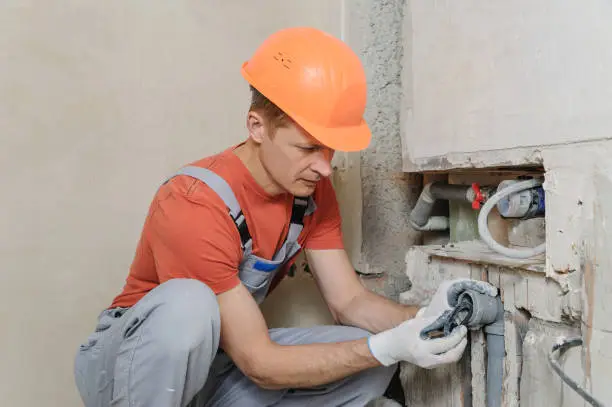
How to Avoid Common Plumbing Mistakes
Plumbing mistakes can be costly, inconvenient, and damaging—especially when they’re hidden behind walls. From poor pipe sizing to skipped permits, small errors during installation can lead to leaks, low water pressure, backups, and expensive repairs down the road.
At S-Line Contractors, we’ve seen firsthand how preventable plumbing mistakes impact homes and commercial buildings. The good news? Most issues can be avoided with proper planning, professional installation, and code compliance. Here’s how to do it right from the start.
1. Plan the Plumbing Layout Before Construction Starts
One of the biggest mistakes is rushing into installation without a clear plan. Proper planning helps:
- Reduce unnecessary pipe runs
- Improve water pressure
- Prevent conflicts with framing and electrical
- Lower material and labor costs
Early coordination avoids rework and future headaches.
2. Use Proper Pipe Sizing
Incorrect pipe sizing can cause major performance issues. Pipes that are too small may lead to:
- Low water pressure
- Slow drainage
- Increased wear on fixtures
Licensed plumbers calculate pipe sizes based on demand, fixture count, and code requirements.
3. Don’t Skip Venting Requirements
Vent pipes allow air into the plumbing system so water drains properly. Common venting mistakes include:
- Missing vents
- Improper vent placement
- Shared vents that don’t meet code
Poor venting causes slow drains, gurgling sounds, and sewer odors.
4. Follow Plumbing Codes and Pull Permits
Unpermitted plumbing work is a frequent—and expensive—mistake. Skipping permits can result in:
- Failed inspections
- Required tear-outs
- Insurance issues
- Problems during resale
Permits ensure work meets safety and building standards.
5. Avoid Mixing Incompatible Materials
Not all plumbing materials work well together. Mixing incompatible pipes can cause:
- Corrosion
- Leaks
- Premature failure
Professionals choose materials designed to work together and meet local codes.
6. Install Shut-Off Valves Strategically
Failing to install accessible shut-off valves makes emergencies worse. Proper shut-offs:
- Allow quick water control
- Reduce damage during leaks
- Simplify maintenance
Every fixture and major water line should have a shut-off.
7. Account for Water Pressure
Excessive water pressure can damage pipes and fixtures over time. Mistakes include:
- Skipping pressure regulators
- Ignoring pressure tests
Balanced pressure protects the entire plumbing system.
8. Don’t Ignore Slope in Drain Lines
Drain lines must be sloped correctly to allow gravity to do its job. Poor slope can cause:
- Slow drains
- Frequent clogs
- Standing water
The correct slope is critical for long-term drainage performance.
9. Avoid DIY Plumbing Shortcuts
DIY plumbing mistakes are common and often hidden until damage occurs. Risks include:
- Leaks inside the walls
- Mold growth
- Code violations
- Costly repairs later
Professional installation reduces risk and protects your investment.
10. Test the System Before Closing Walls
Before drywall is installed, plumbing systems should be tested for:
- Leaks
- Proper pressure
- Drainage performance
Testing catches problems early—when they’re easier and cheaper to fix.
Final Thoughts
Plumbing mistakes are rarely obvious at first—but they almost always show up later. Avoiding common errors through smart planning, professional installation, and code compliance saves time, money, and stress.
At S-Line Contractors, we take a proactive approach to plumbing—ensuring systems are designed and installed correctly from day one for long-term reliability.
Frequently Asked Questions (FAQ)
What is the most common plumbing mistake?
Poor planning and improper venting are among the most frequent issues.
Can plumbing mistakes cause structural damage?
Yes. Hidden leaks can lead to rot, mold, and costly structural repairs.
Are plumbing permits really necessary?
Yes. Permits ensure safety, code compliance, and inspection approval.
Can plumbing mistakes be fixed later?
Yes, but repairs are often expensive and disruptive once walls are closed.
Does S-Line Contractors help prevent plumbing issues?
Absolutely. We coordinate licensed plumbers and inspections to avoid costly mistakes.
Let’s Build Something Together
Ready to elevate your commercial space? Contact S-Line Contractors today to discuss your project and discover how we can bring your vision to life.