

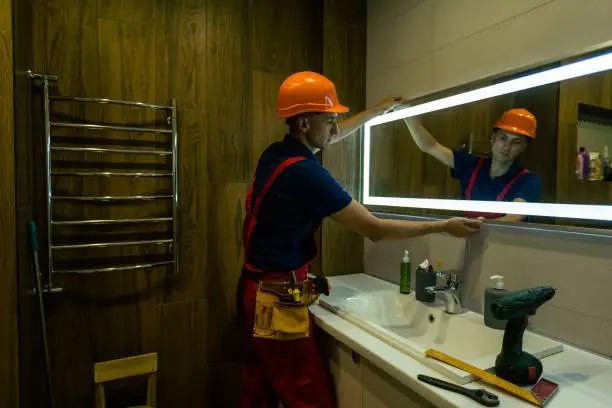
How Electrical Work Is Done Safely in Bathrooms
Electrical work in bathrooms requires extra care and strict compliance with safety codes. Between water, steam, and limited space, bathrooms pose unique hazards that make proper installation essential for protecting your home and your family.
At S-Line Contractors, we work with licensed electricians to ensure that every bathroom remodel meets California electrical standards and National Electrical Code (NEC) requirements. Understanding how electrical work is safely installed in bathrooms can give homeowners peace of mind and help them make informed decisions during their remodel.
Here’s how safe, code-compliant electrical work is done in modern bathrooms.
1. Ground-Fault Circuit Interrupter (GFCI) Protection
Bathrooms must have GFCI outlets to protect against electrical shock.
GFCIs:
- Monitor electrical flow
- Detect imbalances
- Shut off power instantly when danger is present
They are required near sinks, showers, tubs, and anywhere moisture is present.
2. Dedicated 20-Amp Circuits
Because bathrooms often power hair dryers, curling irons, heated mirrors, and other high-wattage devices, NEC requires:
- A dedicated 20-amp circuit for bathroom receptacles
- Separate circuits for lighting and ventilation
This prevents overloads and ensures safe operation.
3. Proper Placement of Outlets and Switches
Electrical components must be placed at safe distances from water sources.
Best practices include:
- Outlets at least 3 feet from sinks or wet zones (when possible)
- Switches located outside shower/tub areas
- No outlets installed inside shower enclosures (prohibited by code)
Thoughtful placement protects against splashing, steam, and accidental contact.
4. Moisture-Resistant Fixtures and Materials
Bathrooms require fixtures designed for damp environments.
These include:
- Damp-rated or wet-rated light fixtures
- Sealed recessed lighting
- Vapor-resistant fan housings
- Waterproof switch plates
Using the right fixtures reduces corrosion and prevents short circuits.
5. Proper Ventilation to Reduce Moisture
Moisture increases electrical risks. Installing a high-quality ventilation fan helps:
- Prevent condensation buildup
- Reduce mold and mildew
- Protect wiring and fixtures
- Improve indoor air quality
Fans should be vented to the outside — not the attic.
6. Bonding and Grounding All Systems
Electrical grounding ensures that stray electricity safely travels into the earth rather than causing shock or fire.
In bathrooms, this includes:
- Metal pipes
- Water heaters nearby
- Electrical boxes
- Fan housings
Proper bonding is essential for system-wide safety.
7. Safe Installation of Lighting Over Wet Areas
Lighting in showers or directly over tubs requires:
- Wet-rated fixtures
- Waterproof seals
- Correct spacing from water sources
- Proper insulation housing (IC-rated when needed)
These lights must be designed for direct exposure to moisture.
8. Avoiding DIY Electrical Work
DIY electrical work is dangerous — especially in bathrooms.
Common risks include:
- Shock hazards
- Incorrect wire sizing
- Code violations
- Fire risk
- Hidden installation errors
Licensed electricians ensure safe, reliable installation that meets all code requirements.
9. Full Inspection and Code Compliance
Before a remodel is complete, electrical systems are inspected to ensure:
- Proper wiring methods
- Correct breaker sizing
- Safe GFCI and AFCI operation
- Fixture compliance with the NEC
- Secure connections and grounding
At S-Line Contractors, nothing is finalized until the system passes inspection and operates safely.
Final Thoughts
Electrical work in bathrooms must be handled with precision, expertise, and a deep understanding of safety codes. From GFCI protection to moisture-rated fixtures, every detail plays a role in preventing hazards and ensuring long-term reliability.
At S-Line Contractors, we partner with licensed electricians to deliver bathroom remodels that are not only beautiful but also safe and fully compliant with all regulations. Your bathroom should give you peace of mind — both in design and safety.
Frequently Asked Questions (FAQ)
Why do bathrooms need special electrical rules?
Water increases the risk of electrical shock. Codes are designed to protect homeowners from moisture-related hazards.
Are GFCI outlets required in every bathroom?
Yes. All bathroom receptacles must be GFCI-protected under NEC guidelines.
Can I install a light over my shower?
Yes — but only with wet-rated fixtures specifically designed for that environment.
Why is DIY bathroom electrical work unsafe?
Bathrooms have strict code requirements, and improper wiring can cause fires, shocks, or failed inspections.
Who ensures electrical work meets code?
Licensed electricians and city inspectors verify that all installations follow the NEC and California building codes.
Let’s Build Something Together
Ready to elevate your commercial space? Contact S-Line Contractors today to discuss your project and discover how we can bring your vision to life.