

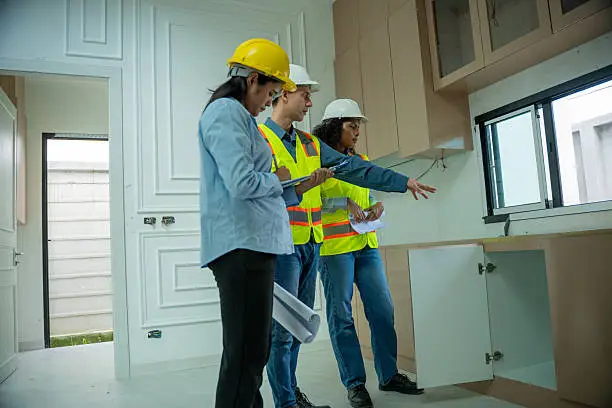
How to Inspect Finishing Quality
Finishing quality is where construction success becomes visible. Paint lines, trim alignment, smooth surfaces, and clean transitions all signal whether a project was completed with care—or rushed at the end. Knowing how to inspect finishing quality helps homeowners, property managers, and business owners catch issues early and ensure the final result meets expectations.
At S-Line Contractors, we believe inspections shouldn’t be intimidating. Here’s a practical, room-by-room approach to inspecting finishing quality like a pro.
Why Finishing Quality Matters
Finishing details affect more than appearance. Quality finishes help:
- Protect underlying materials
- Improve durability and longevity
- Reduce future maintenance
- Increase property value
Small flaws today can become bigger problems tomorrow.
Start With a General Walkthrough
Begin by walking the space slowly and observing from multiple angles. Look for:
- Consistency from room to room
- Clean transitions between materials
- Overall alignment and symmetry
Trust your first impression—it often highlights problem areas.
Inspect Walls and Ceilings
Check wall and ceiling finishes for:
- Smooth surfaces without waves or dents
- Even texture and paint coverage
- No visible joint lines or cracking
Use natural and artificial light to reveal imperfections.
Examine Paint and Coatings
Quality paint work should show:
- Crisp cut lines at edges and corners
- Uniform color with no patchiness
- No drips, roller marks, or overspray
Run your hand lightly across the surface—rough spots often signal rushed prep.
Check Trim, Molding, and Millwork
Finishing trim should be:
- Straight and level
- Tightly joined at corners
- Free of gaps, splits, or visible fasteners
Poor trim work is one of the most common finishing failures.
Inspect Doors and Cabinets
Open and close doors, drawers, and cabinets. Look for:
- Smooth operation
- Proper alignment
- Even gaps and secure hardware
Function is just as important as appearance.
Review Flooring Transitions
Transitions between flooring types should be:
- Flush and secure
- Properly aligned
- Free of sharp edges or gaps
Uneven transitions can become safety hazards.
Look at Fixtures and Hardware
Fixtures should be:
- Level and centered
- Firmly secured
- Free of scratches or damage
Misaligned fixtures often indicate poor final checks.
Inspect Seams and Caulking
Quality caulking is:
- Smooth and consistent
- Free of cracks or gaps
- Cleanly applied without smearing
Messy caulk work usually signals a rushed finish.
Check High-Traffic and High-Visibility Areas
Pay extra attention to:
- Entryways
- Hallways
- Kitchens and bathrooms
These areas reveal finishing quality quickly due to lighting and use.
Test Lighting Conditions
Turn lights on and off at different times of day. Angled lighting often reveals:
- Wall imperfections
- Uneven textures
- Paint inconsistencies
Lighting exposes what overhead inspection may miss.
Create a Punch List
Document any issues clearly and specifically. A good punch list includes:
- Exact locations
- Clear descriptions
- Photos when possible
This helps contractors address issues efficiently.
Why Professional Oversight Helps
Experienced contractors know where finishing issues typically appear. Professional oversight ensures:
- Details aren’t missed
- Fixes are done correctly
- Final delivery meets expectations
Quality control is a process—not a last-minute step.
How S-Line Contractors Ensures Finishing Quality
At S-Line Contractors, finishing inspections include:
- Internal quality checks
- Detailed punch list reviews
- Final walkthroughs with clients
Our goal is to deliver spaces that look right, feel right, and last.
Final Thoughts
nspecting finishing quality doesn’t require construction expertise—just attention, patience, and a clear checklist. The finish is the part of a project you’ll see and use every day, so it deserves careful review.
At S-Line Contractors, we take finishing quality seriously because details are what turn a completed project into a successful one.
Frequently Asked Questions (FAQ)
When should finishing inspections happen?
During final walkthroughs and before project closeout.
Are small finish flaws normal?
Minor touch-ups are common, but patterns of issues signal deeper problems.
Should I inspect finishes before final payment?
Yes. Inspections should happen before project sign-off.
Do finishes affect long-term durability?
Absolutely. Poor finishes can lead to moisture damage and wear.
Does S-Line Contractors perform finishing inspections?
Yes. We conduct thorough inspections to ensure finishing quality meets our standards.
Let’s Build Something Together
Ready to elevate your commercial space? Contact S-Line Contractors today to discuss your project and discover how we can bring your vision to life.