

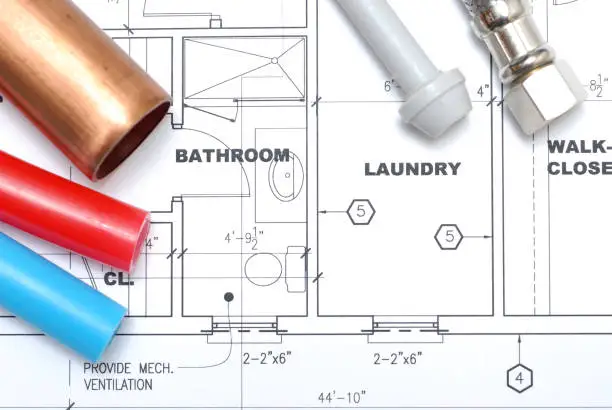
How to Plan Plumbing for a Bathroom Addition
Adding a bathroom is one of the most valuable home upgrades—but plumbing planning is where many projects succeed or fail. A well-planned plumbing system ensures proper water flow, efficient drainage, code compliance, and long-term reliability. Poor planning can lead to leaks, slow drains, failed inspections, and higher costs.
At S-Line Contractors, we approach bathroom additions with careful plumbing coordination from day one. Here’s how to plan plumbing the right way for a smooth and successful bathroom addition.
1. Choose the Right Location
Plumbing is easiest—and most cost-effective—when the new bathroom is placed near existing plumbing lines. Ideal locations include:
- Adjacent to an existing bathroom
- Near kitchens or laundry rooms
- Close to main drain and vent stacks
Shorter pipe runs reduce labor, materials, and future maintenance issues.
2. Understand Existing Plumbing Capacity
Before adding fixtures, the existing system must be evaluated for:
- Pipe size and condition
- Drain capacity
- Water pressure
- Venting availability
Older homes may need upgrades to handle the added demand safely.
3. Plan Fixture Placement Strategically
Thoughtful fixture layout improves performance and efficiency. Good planning includes:
- Grouping the toilet, shower, and sink
- Minimizing long drain runs
- Ensuring proper clearances
Smart layout choices reduce clog risks and improve water flow.
4. Design Proper Drain, Waste, and Vent (DWV) Systems
Every bathroom addition requires a compliant DWV system. This includes:
- Correct drain pipe slopes
- Proper vent connections
- Trap installation for each fixture
Proper venting prevents slow drains, odors, and gurgling pipes.
5. Account for Water Supply Lines
Hot and cold water lines must be sized correctly to maintain pressure. Planning includes:
- Pipe material selection
- Line sizing
- Pressure balancing
Poor sizing can lead to weak showers and inconsistent temperatures.
6. Plan for Permits and Inspections
Bathroom additions almost always require plumbing permits. Permits ensure:
- Code compliance
- Safe installation
- Required inspections at rough-in and final stages
Skipping permits can cause major delays and resale issues.
7. Coordinate With Electrical and Framing
Plumbing must work alongside:
- Electrical wiring
- Ventilation systems
- Structural framing
Early coordination avoids conflicts, delays, and costly rework during construction.
8. Choose the Right Plumbing Materials
Material selection affects durability and cost. Common options include:
- PEX for flexible water supply lines
- PVC for drainage
- Copper for long-term durability
Material choice depends on layout, budget, and local code requirements.
9. Plan for Water Efficiency
Modern bathroom additions often include:
- Low-flow toilets
- Water-efficient faucets
- Efficient shower systems
These features reduce water usage and long-term utility costs.
10. Work With a Licensed Professional
Bathroom addition plumbing is not a DIY project. Licensed professionals ensure:
- Proper system design
- Code compliance
- Safe installation
- Passed inspections
Professional planning prevents costly mistakes.
Final Thoughts
Proper plumbing planning is the backbone of a successful bathroom addition. From layout and drainage to permits and inspections, every detail matters.
At S-Line Contractors, we plan bathroom addition plumbing with precision and transparency—ensuring systems are efficient, code-compliant, and built to last.
Frequently Asked Questions (FAQ)
Can I tie a new bathroom into existing plumbing?
Often yes, but capacity and layout must be evaluated to ensure proper performance.
Do bathroom additions require plumbing permits?
Yes. Permits and inspections are typically required for all bathroom additions.
How much does plumbing add to a bathroom addition cost?
Costs vary based on distance to existing lines, fixtures, and system upgrades.
Can plumbing be installed after framing?
Plumbing rough-in should be completed before walls are closed.
Does S-Line Contractors handle plumbing planning and permits?
Yes. We manage plumbing layout, permits, inspections, and coordination.
Let’s Build Something Together
Ready to elevate your commercial space? Contact S-Line Contractors today to discuss your project and discover how we can bring your vision to life.