

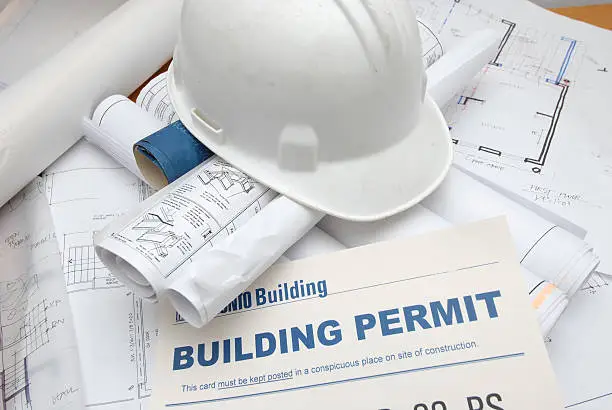
What Permits Are Needed for a Bathroom Remodel?
A bathroom remodel may feel like a simple upgrade, but behind the scenes, it often requires several permits to ensure the work is safe, legal, and up to California building standards. Permits protect homeowners, ensure proper inspections, and help avoid costly issues down the road — especially when selling a home or filing insurance claims.
At S-Line Contractors, we guide clients through the entire permitting process, ensuring they understand exactly what’s required and why. Here’s a clear breakdown of the permits most bathroom remodels need.
Why Bathroom Permits Matter
Bathroom remodels involve plumbing, electrical, waterproofing, and sometimes structural changes. Permits ensure that:
- Work meets the California Building Code
- Electrical and plumbing systems are safely installed
- Inspections verify proper construction
- Homeowners avoid fines or legal issues
Skipping permits can lead to expensive corrections later or problems during resale.
1. Building Permit
A general building permit is required for bathroom remodels that involve:
- Moving walls
- Changing layout
- Installing new windows
- Replacing structural elements
- Expanding the bathroom
This permit ensures all work meets structural and safety standards.
2. Plumbing Permit
Any significant plumbing change requires a plumbing permit, including:
- Moving or replacing sinks, toilets, tubs, and showers
- Installing new water lines or drains
- Replacing sewer lines
- Adding a bidet or new plumbing fixture
Even minor plumbing updates may require inspection to ensure proper connections and venting.
3. Electrical Permit
Bathrooms demand safe, code-compliant electrical work. An electrical permit is required for:
- Adding or moving outlets
- Installing GFCI-protected circuits
- Upgrading lighting
- Adding heated floors
- Replacing or rerouting wiring
California bathrooms must meet strict NEC safety standards due to moisture exposure.
4. Mechanical Permit
Some remodels require a mechanical permit, especially when installing or modifying:
- Exhaust fans
- Ventilation systems
- Ductwork
Proper ventilation is essential to prevent mold, moisture damage, and poor air quality.
5. Waterproofing Inspection (City-Specific)
Many California cities require a waterproofing inspection for:
- Shower pans
- Membrane installations
- Wet-area sealing
This ensures the bathroom is protected against leaks and long-term water damage.
6. HOA Approval (If Applicable)
If you live in a community governed by an HOA, you may need:
- Architectural approval
- Material or design compliance
- Noise and work schedule coordination
HOA rules vary, but approval should be obtained before applying for building permits.
When You Don’t Need a Permit
Some cosmetic updates generally don’t require permits, such as:
- Repainting
- Replacing towel bars
- Installing new countertops
- Updating hardware
- Swapping faucets (unless plumbing is modified)
However, if anything involves electrical, plumbing, or structural, assume a permit is required.
How S-Line Contractors Handles Permits
We manage the entire permitting process so homeowners don’t have to. This includes:
- Identifying required permits
- Preparing drawings or plans
- Submitting paperwork to the city
- Scheduling inspections
- Ensuring full code compliance
A smooth permit process leads to a safer, more successful remodel.
Final Thoughts
Bathroom remodel permits might feel overwhelming, but they play a crucial role in keeping your home safe and ensuring your investment lasts. With proper planning and a licensed contractor managing the process, permitting becomes a smooth and stress-free experience.
At S-Line Contractors, we take care of everything — from permit applications to final inspections — so you can focus on enjoying your newly remodeled bathroom.
Frequently Asked Questions (FAQ)
Do all bathroom remodels require permits?
Most do, especially if plumbing, electrical, or structural work is involved. Cosmetic updates usually don’t require permits.
How long does permit approval take?
Depending on the city, permits may take anywhere from a few days to several weeks.
What happens if I remodel without permits?
You may face fines, delays, required demolition, insurance issues, or problems when selling your home.
Can I pull my own permits?
Yes, but most homeowners prefer that licensed contractors handle the process to ensure accuracy and compliance.
Are inspections required?
Yes. Inspectors verify plumbing, electrical, waterproofing, and structural work before the project can continue.
Let’s Build Something Together
Ready to elevate your commercial space? Contact S-Line Contractors today to discuss your project and discover how we can bring your vision to life.