

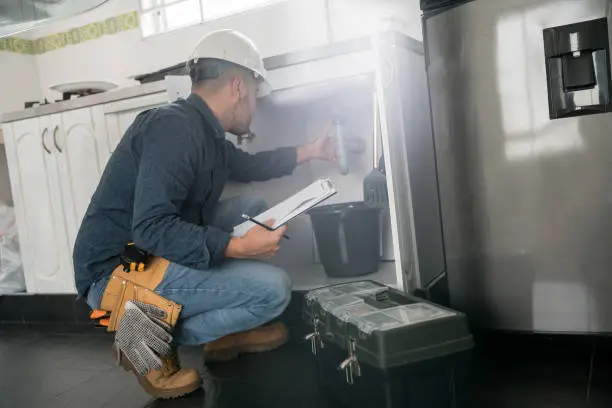
Plumbing Code Compliance in California
Plumbing code compliance isn’t just a box to check—it’s a critical part of building safely and legally in California. Whether you’re remodeling a bathroom, building a new property, or upgrading aging pipes, following plumbing codes protects your investment, your health, and your long-term peace of mind.
At S-Line Contractors, we treat plumbing compliance as a core responsibility on every project. Here’s what California plumbing code compliance means, why it matters, and how to avoid costly mistakes.
What Is Plumbing Code Compliance?
Plumbing code compliance means installing plumbing systems according to:
- The California Plumbing Code (CPC)
- Local city and county amendments
- Approved materials and methods
- Required inspections
Codes exist to ensure plumbing systems are safe, durable, and sanitary.
Why California Plumbing Codes Are Strict
California enforces strict plumbing standards due to:
- Earthquake risks
- Water conservation requirements
- Public health concerns
- High-density development
These standards help prevent leaks, contamination, and system failures.
Common Projects That Require Compliance
Most plumbing work requires permits and inspections, including:
- Bathroom and kitchen remodels
- New construction
- Plumbing reroutes
- Water heater installations
- Sewer and main line work
Even small changes can trigger compliance requirements.
Permits and Inspections Explained
Plumbing permits ensure work is reviewed and approved before installation begins. Inspections typically occur at:
- Rough-in stage (before walls close)
- Pressure testing
- Final fixture installation
Passing inspections confirms work meets code standards.
Approved Materials and Installation Methods
The California Plumbing Code regulates:
- Pipe materials (PEX, copper, PVC, etc.)
- Pipe sizing
- Venting requirements
- Drain slopes
- Backflow prevention
Using unapproved materials can result in failed inspections and rework.
Water Efficiency and Conservation Rules
California plumbing codes emphasize water conservation. This includes:
- Low-flow fixtures
- Efficient water distribution
- Leak prevention measures
Compliance helps reduce water waste and utility costs.
Health and Safety Protections
Proper plumbing code compliance prevents:
- Contaminated drinking water
- Sewer gas exposure
- Mold and moisture issues
- Structural water damage
Codes are designed to protect occupants—not just buildings.
Consequences of Non-Compliance
Ignoring plumbing codes can lead to:
- Fines and penalties
- Forced demolition or tear-outs
- Failed property sales
- Insurance complications
- Increased repair costs
Fixing non-compliant work is often more expensive than doing it right initially.
The Role of Licensed Professionals
Licensed plumbers and general contractors understand:
- Code requirements
- Permit processes
- Inspection standards
Professional oversight ensures plumbing systems pass inspection the first time.
Local Variations Across California
While the CPC applies statewide, local jurisdictions may add requirements. Experienced local contractors help navigate city-specific rules and avoid delays.
How S-Line Contractors Ensures Compliance
We manage plumbing compliance by:
- Coordinating licensed plumbers
- Pulling required permits
- Scheduling inspections
- Ensuring code-approved materials and methods
Our approach ensures projects are kept legal, safe, and on schedule.
Final Thoughts
Plumbing code compliance in California isn’t optional—it’s essential. Codes protect health, property value, and long-term system performance. When plumbing is installed correctly and inspected properly, problems are avoided before they start.
At S-Line Contractors, we make plumbing code compliance straightforward and stress-free, ensuring every project is built safely, legally, and with confidence.
Frequently Asked Questions (FAQ)
Do all plumbing projects require permits?
Most plumbing work does, especially when pipes, fixtures, or systems are altered.
Can homeowners do plumbing work themselves?
Some minor work may be allowed, but homeowners assume full responsibility for compliance.
What happens if plumbing fails inspection?
Corrections must be made before work can proceed or be approved.
Does code compliance increase project cost?
It may add upfront cost, but it prevents expensive repairs and legal issues later.
Does S-Line Contractors handle plumbing code compliance?
Yes. We manage permits, inspections, and code coordination for all plumbing work.
Let’s Build Something Together
Ready to elevate your commercial space? Contact S-Line Contractors today to discuss your project and discover how we can bring your vision to life.