

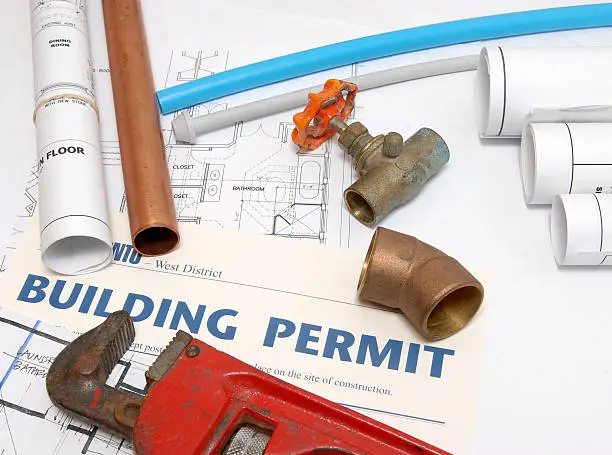
Plumbing Permits in California Explained
Plumbing permits are a critical part of construction and remodeling projects across California. Whether you’re building new, remodeling a bathroom, or upgrading plumbing systems, permits help ensure the work is safe, code-compliant, and legally approved. Skipping permits can lead to costly fines, failed inspections, and future issues when selling or insuring a property.
At S-Line Contractors, we guide homeowners and businesses through the permitting process to keep projects moving smoothly and fully compliant. Here’s what you need to know about plumbing permits in California.
What Is a Plumbing Permit?
A plumbing permit is official approval from a local building department that allows plumbing work to be performed. It ensures the work will be:
- Installed safely
- Built to code
- Inspected by authorities
- Documented for future records
Permits protect property owners and occupants alike.
When Is a Plumbing Permit Required in California?
In most cases, a permit is required when plumbing work involves:
- Installing or relocating pipes
- Replacing drain, waste, or vent lines
- Adding or moving fixtures
- Water heater installation or replacement
- Sewer or main water line work
Minor repairs, such as replacing a faucet or toilet without altering piping, may not require a permit—but local rules can vary.
Why Plumbing Permits Matter
Permits aren’t just paperwork. They help:
- Ensure plumbing meets safety standards
- Prevent hidden leaks and failures
- Protect property value
- Avoid penalties and rework
- Support insurance and resale requirements
Permitted work gives peace of mind that systems were installed correctly.
The Plumbing Permit Process
While the exact steps vary by city, the general process includes:
- Submitting plans or a scope of work
- Paying permit fees
- Scheduling inspections
- Completing required corrections
- Final approval
Working with an experienced contractor simplifies the process.
Plumbing Inspections Explained
Once permitted work begins, inspections are required at key stages, such as:
- Rough-in inspection before walls are closed
- Pressure testing
- Final inspection after fixtures are installed
Passing inspections confirms the system meets code requirements.
Who Is Responsible for Pulling the Permit?
In most cases, the licensed contractor pulls the plumbing permit. This ensures:
- The correct scope is approved
- Licensed professionals perform the work
- Accountability for code compliance
Homeowners pulling permits take on full responsibility.
Consequences of Skipping Plumbing Permits
Unpermitted plumbing work can result in:
- Fines and penalties
- Required tear-outs
- Failed property inspections
- Delays during resale
- Insurance coverage issues
Fixing unpermitted work often costs more than doing it right the first time.
Plumbing Permits for Remodels and New Construction
Both new construction and remodel projects typically require permits when plumbing systems are altered. This includes:
- Bathroom and kitchen remodels
- Home additions
- Commercial tenant improvements
Early permitting keeps projects on schedule.
Local Code Variations in California
While California follows statewide plumbing codes, local jurisdictions may add requirements. That’s why working with local professionals is important—they understand city-specific rules and inspection standards.
How a General Contractor Helps
A general contractor manages:
- Permit applications
- Trade coordination
- Inspection scheduling
- Compliance documentation
This reduces stress and avoids costly mistakes.
Final Thoughts
Plumbing permits are a vital part of building safely and legally in California. While the process may seem complex, permits protect your investment and ensure systems are built to last.
At S-Line Contractors, we handle plumbing permits with transparency and expertise—keeping your project compliant, efficient, and stress-free from start to finish.
Frequently Asked Questions (FAQ)
Do I always need a plumbing permit?
Most plumbing work involving pipes or fixtures requires a permit, but minor repairs may be exempt.
How long does it take to get a plumbing permit?
Timelines vary by city, but permits often take a few days to a few weeks.
Can unpermitted plumbing affect home resale?
Yes. Unpermitted work can delay or derail property sales.
Are inspections mandatory with permits?
Yes. Inspections are required to verify code compliance.
Does S-Line Contractors handle plumbing permits?
Yes. We manage plumbing permits and inspections as part of our construction services.
Let’s Build Something Together
Ready to elevate your commercial space? Contact S-Line Contractors today to discuss your project and discover how we can bring your vision to life.