
Top Materials for Commercial Durability
In commercial construction, the materials you choose aren’t just about aesthetics — they define your building’s strength, safety, and longevity. Whether you’re constructing an office complex, retail space, or industrial facility, durable materials reduce maintenance costs, resist wear, and ensure long-term performance.
At S-Line Contractors, we believe every successful project begins with quality materials and precise craftsmanship. Using the right products means less repair, higher value, and a structure that stands strong for decades.
Let’s explore the top materials that enhance commercial durability — and why they’re essential for any long-lasting build.
1. Concrete: The Backbone of Commercial Strength
It’s no surprise that concrete is the most widely used construction material in commercial projects. Known for its compressive strength and versatility, it’s ideal for foundations, walls, and structural supports.
Benefits:
Highly durable and fire-resistant
Can withstand heavy loads and extreme weather
Low maintenance over time
Excellent sound insulation
Reinforced concrete (with steel rebar) is especially effective in high-rise structures and warehouses, offering long-term stability and resilience.
2. Structural Steel: Strength Meets Flexibility
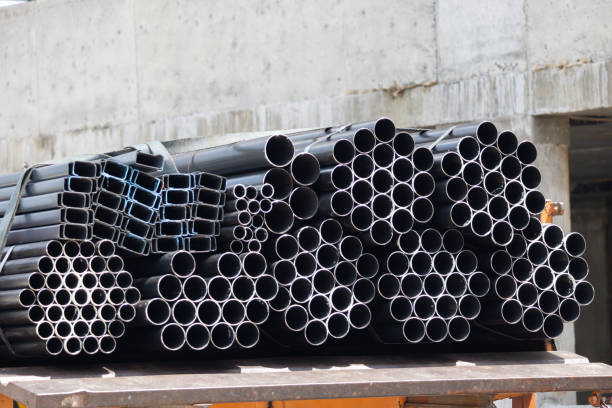
Steel plays a critical role in modern commercial construction due to its strength-to-weight ratio and design flexibility. From skyscrapers to shopping centers, it allows for large open spaces without compromising safety.
Benefits:
High structural integrity and load-bearing capacity
Resistant to pests, rot, and mold
Easily customizable for complex designs
Recyclable and environmentally sustainable
At S-Line Contractors, we work with certified steel suppliers to ensure every frame meets California’s seismic and safety standards.
3. Brick and Masonry: Time-Tested Durability
Brick and masonry have been used for centuries — and for good reason. They offer a combination of aesthetic appeal and resilience, ideal for both modern and traditional architecture.
Benefits:
Excellent insulation and noise reduction
Fireproof and weather-resistant
Minimal maintenance required
Enhances building lifespan and energy efficiency
Brick exteriors also maintain their appearance over time, reducing the need for repainting or frequent refinishing.
4. Engineered Wood: Sustainable and Strong
Today’s commercial projects often integrate engineered wood products such as laminated veneer lumber (LVL) or cross-laminated timber (CLT). These options combine natural beauty with modern strength.
Benefits:
Lightweight but highly durable
Renewable and eco-friendly
Ideal for interiors, ceilings, and framing
Offers warmth and visual appeal
When properly treated, engineered wood can resist warping and moisture — making it a reliable choice for sustainable commercial designs.
5. Glass and Aluminum: Modern Durability for Facades
Modern commercial buildings often feature large glass panels and aluminum framing, combining visual transparency with structural resilience.
Benefits:
Corrosion-resistant and lightweight
Supports natural light and energy efficiency
Requires minimal maintenance
Suitable for curtain walls, storefronts, and facades
Aluminum and glass systems also contribute to LEED-certified building designs by improving thermal insulation and reducing energy use.
6. High-Performance Flooring Materials
Durable flooring is essential in commercial spaces that handle heavy foot traffic or equipment. Materials like epoxy coatings, polished concrete, and porcelain tile provide both beauty and longevity.
Benefits:
Scratch and stain-resistant
Easy to clean and maintain
Long lifespan even under heavy use
Available in multiple design finishes
We often recommend epoxy or sealed concrete flooring for warehouses and retail environments where strength and safety are top priorities.
7. Roofing Systems Built to Last
A building’s durability depends heavily on its roof. Commercial-grade roofing materials like TPO (Thermoplastic Polyolefin), metal roofing, and EPDM (rubber membrane) are designed to withstand California’s heat, rain, and UV exposure.
Benefits:
Reflective and energy-efficient
Weatherproof and resistant to leaks
Long service life with minimal maintenance
Ideal for flat or low-slope structures
S-Line Contractors partners with trusted roofing specialists to ensure proper installation and protection that lasts decades.
Building Longevity Through Smart Material Choices
Choosing the right materials is one of the most important steps in ensuring project longevity and return on investment. When clients invest in durable materials upfront, they enjoy fewer repairs, higher energy efficiency, and lower long-term costs.
At S-Line Contractors, our team works with architects, engineers, and subcontractors to identify materials that balance performance, design, and budget — ensuring every project is built to last.
Final Thoughts
Durable materials don’t just protect your investment — they ensure your building remains safe, functional, and visually appealing for decades. From concrete and steel to roofing and finishes, every choice matters in achieving true longevity.
At S-Line Contractors, we combine top-grade materials with expert craftsmanship to build spaces that withstand time, weather, and everyday use. Whether it’s a new commercial build or a renovation, we make durability a standard — not an upgrade.
Frequently Asked Questions (FAQ)
What materials last the longest in commercial construction?
Concrete, structural steel, brick, and high-performance roofing materials are among the most durable and long-lasting options for commercial builds.
Is using higher-quality material worth the investment?
Yes. Quality materials may cost more upfront but save money over time through reduced maintenance, improved safety, and longer lifespan.
What’s the most durable type of commercial roofing?
Metal and TPO roofing are excellent choices for longevity, weather resistance, and energy efficiency.
Can eco-friendly materials still be durable?
Absolutely. Many sustainable materials, like engineered wood and recycled steel, offer impressive strength and environmental benefits.
How does S-Line Contractors ensure material quality?
We source from trusted suppliers, verify compliance with California building codes, and oversee every stage of installation for precision and safety.
Let’s Build Something Together
Ready to elevate your commercial space? Contact S-Line Contractors today to discuss your project and discover how we can bring your vision to life.