

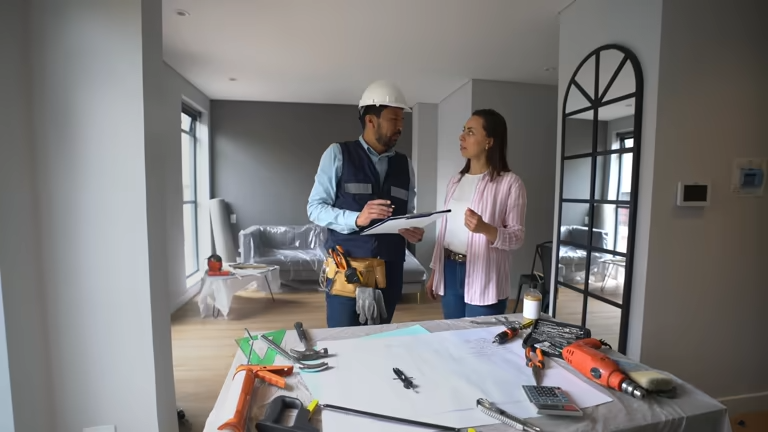
Understanding the Building Process
Building a home or commercial property is one of the biggest investments you’ll ever make—and it all begins with a clear understanding of the building process. Knowing what happens at each phase helps you make informed decisions, stay on budget, and work efficiently with your general contractor, project managers, and specialized subcontractors.
Whether you’re developing a commercial space, remodeling your house, or building your dream home, every successful construction project follows three main phases: Preconstruction, Construction, and Post-Construction.
Let’s break down each stage so you know exactly what to expect from start to finish.
Phase 1: Preconstruction – Planning, Design, and Permits
The preconstruction phase is the foundation of every successful project. It’s where ideas take shape, plans are drawn, and all logistics are handled before the first nail is hammered.
This stage involves communication between architects, engineers, homeowners, and general contractors to define the project’s scope, budget, and materials.
Key Steps in Preconstruction
Initial Consultation and Project Planning
The journey starts with a discussion of your vision, budget, and timeline. Your contractor assesses feasibility, project goals, and site conditions.Design and Architectural Development
Your architects and designers create detailed plans—covering everything from the structure and plumbing layout to electrical systems, fixtures, and materials. These drawings ensure that every aspect of your future structure aligns with city codes and your expectations.Permitting and Approvals
Your general contractor typically handles permit applications, ensuring compliance with California building regulations. Common permits include those for electrical work, plumbing, and structural changes.Budgeting and Scheduling
Clear cost estimation and scheduling set expectations for the entire building process. Planning prevents unnecessary expenses and keeps the project running efficiently.
Q: What is the purpose of preconstruction?
A: To plan, design, and prepare all permits, materials, and budgets before physical work begins—ensuring a smooth, cost-efficient project.
Phase 2: Construction – Bringing the Vision to Life
Once the design and permits are finalized, it’s time to build. The construction phase transforms blueprints into reality. This stage involves coordination between project managers, subcontractors, and suppliers to ensure each task is completed safely and efficiently.
What Happens During Construction
Site Preparation and Foundation
The site is cleared, leveled, and prepared. Crews pour the foundation, which supports the entire structure. Every element is inspected to meet code and safety requirements.Framing and Structure Building
The skeleton of the building is erected—walls, floors, and roofs take shape. This step defines your home’s or commercial building’s layout.Rough-Ins: Electrical, Plumbing, and HVAC
Specialized subcontractors install wiring, plumbing lines, HVAC systems, and electrical fixtures. These installations undergo inspection before being enclosed with drywall.Exterior and Interior Finishes
Walls are painted, bathroom fixtures are installed, roofing is completed, and cabinets, flooring, and lighting are added. This is when your space truly begins to reflect your vision.Ongoing Project Management
Project managers oversee every aspect—ensuring quality control, adherence to schedule, and clear communication between teams.
Q: What happens during the construction phase?
A: The physical building takes shape, including framing, plumbing, electrical, and finishing work—all coordinated by the general contractor.
Phase 3: Post-Construction – Final Inspections and Maintenance
Once construction wraps up, the post-construction phase ensures your project is move-in ready, compliant, and built to last.
Key Steps in Post-Construction
Final Inspections and Walkthroughs
City inspectors and your general contractor review the project to ensure everything meets code and safety standards. You’ll conduct a final walkthrough to verify the quality of finishes, plumbing, electrical systems, and fixtures.Handover and Documentation
Once the building passes inspection, you’ll receive warranty information, maintenance manuals, and as-built drawings. These documents are essential for long-term upkeep.Ongoing Maintenance
Routine maintenance keeps your house or commercial property in top shape. Schedule inspections for roofing, plumbing, and electrical systems to ensure ongoing safety and functionality.
Q: What happens during post-construction?
A: The project is inspected, finalized, and handed over to the owner, who receives warranties and guidance for long-term maintenance.
Why Understanding the Building Process Matters
Knowing how the building process works empowers homeowners and developers to make informed decisions. It helps you communicate effectively with your contractors, set realistic expectations, and maintain control over your budget and schedule.
Key benefits include:
Better collaboration with architects and contractors
Fewer delays and cost overruns
Confidence in permits, safety, and compliance
Stronger understanding of the entire construction journey
Frequently Asked Questions
Q: What are the three phases of the building process?
A: The building process includes Preconstruction (planning and permits), Construction (physical building work), and Post-Construction (inspections and maintenance).
Q: How long does construction typically take?
A: The timeline varies depending on the project size, materials, and permitting. A remodel may take a few months, while commercial builds can last a year or more.
Q: Who manages the building process?
A: The general contractor oversees all phases, coordinating subcontractors, schedules, materials, and compliance with safety regulations.
Final Thoughts
The building process is more than just construction—it’s a carefully planned journey from concept to completion. Each phase plays a vital role in ensuring your project’s quality, safety, and success.
At S-Line Contractors, we handle every step with precision and care—from preconstruction planning to post-construction maintenance. Our team of experienced project managers, architects, and subcontractors ensures that your dream home or commercial project is built to the highest standards of craftsmanship and professionalism.
Some general contractors, like S-Line Contractors, work closely with architects and designers to provide design-build services — managing both planning and construction under one roof.
Let’s Build Something Together
Ready to elevate your commercial space? Contact S-Line Contractors today to discuss your project and discover how we can bring your vision to life.