

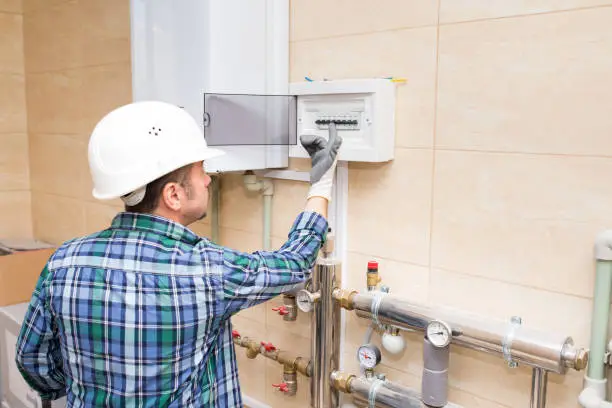
Water Heater Installation Best Practices
A water heater may seem like a simple appliance, but proper installation plays a huge role in safety, efficiency, and lifespan. Poor installation can lead to leaks, inconsistent hot water, higher energy bills, or even serious safety hazards.
At S-Line Contractors, we follow proven water heater installation best practices to ensure systems operate safely and reliably for years to come. Here’s what every homeowner and property owner should know.
1. Choose the Right Water Heater for the Space
The first step is selecting a unit that matches the building’s needs. Key factors include:
- Household or building size
- Hot water demand
- Fuel type (gas, electric, or hybrid)
- Tank vs tankless systems
Oversized or undersized units often lead to inefficiency and premature wear.
2. Verify Code and Permit Requirements
In California, water heater installations typically require permits and inspections. This ensures:
- Proper venting
- Seismic strapping
- Correct pressure relief installation
- Safe gas or electrical connections
Permitted installations protect both safety and resale value.
3. Ensure Proper Venting and Airflow
Gas water heaters must vent exhaust gases safely. Best practices include:
- Correct vent sizing
- Secure vent connections
- Adequate combustion air
Improper venting can lead to carbon monoxide risks and system failure.
4. Install Seismic Straps and Safety Supports
California requires water heaters to be properly secured to prevent movement during earthquakes. This includes:
- Upper and lower seismic straps
- Solid wall anchoring
This simple step greatly reduces damage risk.
5. Use a Proper Temperature and Pressure Relief Valve
The temperature and pressure (T&P) relief valve is a critical safety feature. It must:
- Be installed correctly
- Discharge to an approved location
- Remain unobstructed
This valve prevents dangerous pressure buildup inside the tank.
6. Size and Install Water and Gas Lines Correctly
Incorrect pipe sizing can reduce performance and damage the unit. Best practices include:
- Proper water line sizing
- Correct gas line capacity
- Secure, leak-free connections
Professional sizing ensures consistent hot water delivery.
7. Account for Drainage and Leak Protection
Water heaters should be installed with protection against leaks, including:
- Drain pans where required
- Proper drain routing
- Access for maintenance
Leak protection helps prevent water damage if a failure occurs.
8. Set Safe and Efficient Temperature Levels
Water heater temperatures should be set for safety and efficiency. Recommended practices include:
- Avoiding overly high temperatures
- Preventing scalding risks
- Balancing energy efficiency
Proper settings protect both occupants and the system.
9. Test the System Before Final Approval
Before the installation is complete, the system should be tested for:
- Leaks
- Proper heating
- Pressure stability
- Safe operation
Testing ensures everything works as intended before inspection.
10. Plan for Maintenance and Longevity
Proper installation supports easier maintenance. Good planning includes:
- Accessible shut-off valves
- Clear service access
- Manufacturer-recommended clearances
Well-installed systems last longer and cost less to maintain.
Final Thoughts
Water heater installation is not just about connecting a unit—it’s about safety, efficiency, and long-term performance. Following best practices helps avoid problems while ensuring reliable hot water for years to come.
At S-Line Contractors, we take a professional, code-compliant approach to water heater installations—giving clients confidence that the job is done right the first time.
Frequently Asked Questions (FAQ)
Do I need a permit to install a water heater in California?
In most cases, yes. Permits and inspections are typically required.
How long does a water heater installation take?
Many installations are completed in a single day, depending on complexity.
Can improper installation shorten the water heater's lifespan?
Yes. Poor installation can cause premature failure and safety issues.
Is tankless installation different from tank systems?
Yes. Tankless systems require specific venting, electrical, or gas upgrades.
Does S-Line Contractors manage water heater installations?
Yes. We coordinate licensed professionals, permits, and inspections for compliant installations.
Let’s Build Something Together
Ready to elevate your commercial space? Contact S-Line Contractors today to discuss your project and discover how we can bring your vision to life.