
How Water Pressure Affects Plumbing Systems
Water pressure plays a major role in how well a plumbing system performs. When pressure is properly balanced, plumbing fixtures work efficiently and pipes last longer. When pressure is too high or too low, problems can show up quickly—or quietly cause damage over time.
At S-Line Contractors, we help homeowners and property managers understand how water pressure affects plumbing systems and why proper regulation is essential for long-term reliability.
What Is Water Pressure?
Water pressure refers to the force that moves water through pipes. It’s typically measured in pounds per square inch (PSI).
- Low pressure = weak flow
- High pressure = excessive force on pipes and fixtures
Most plumbing systems perform best within a safe pressure range.
Signs of Low Water Pressure
Low water pressure can affect daily comfort and system performance. Common signs include:
- Weak shower flow
- Slow-filling sinks or tubs
- Appliances are taking longer to operate
- Inconsistent water delivery
Low pressure is often caused by clogged pipes, aging infrastructure, or poor system design.
Problems Caused by High Water Pressure
High water pressure may seem beneficial at first, but it can be damaging. Issues include:
- Pipe stress and leaks
- Worn-out fixtures
- Frequent valve failures
- Shortened appliance lifespan
Excessive pressure increases the risk of sudden plumbing failures.
How Water Pressure Impacts Pipe Longevity
Pipes are designed to handle specific pressure levels. Ongoing pressure problems can lead to:
- Cracked fittings
- Joint separation
- Accelerated corrosion
- Hidden leaks behind walls
Balanced pressure protects the entire plumbing system.
Effect on Plumbing Fixtures and Appliances
Fixtures and appliances rely on steady pressure to function correctly. Poor pressure can cause:
- Dripping faucets
- Noisy pipes
- Malfunctioning dishwashers and washing machines
- Reduced efficiency
Proper pressure improves performance and reduces maintenance.
Pressure Regulators and Control Valves
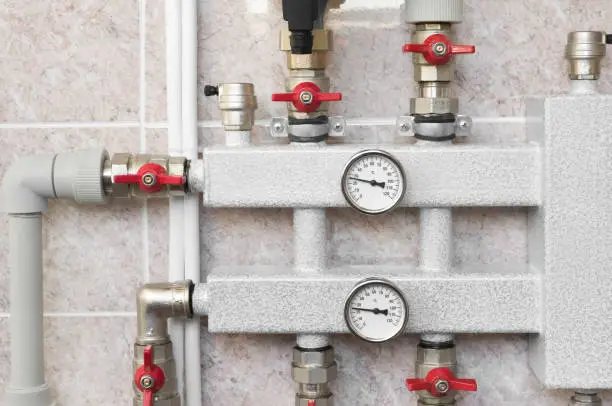
Pressure-reducing valves (PRVs) help maintain safe pressure levels. Benefits include:
- Consistent water flow
- Reduced pipe strain
- Improved fixture lifespan
- Better system stability
Many buildings require PRVs to meet code standards.
Water Pressure in New Construction
In new builds, water pressure is carefully planned during system design. This includes:
- Pipe sizing
- Fixture placement
- Pressure testing
- Compliance with local codes
Early planning prevents future pressure-related issues.
Water Pressure in Older Buildings
Older buildings may experience pressure problems due to:
- Corroded pipes
- Outdated materials
- Inadequate system design
Inspections help determine whether upgrades or repairs are needed.
Code Compliance and Safety
Plumbing codes regulate water pressure to protect systems and occupants. Inspections ensure:
- Pressure levels are within limits
- Regulators are installed correctly
- Systems operate safely
Code-compliant systems reduce risk and liability.
When to Call a Professional
You should contact a professional if you notice:
- Sudden pressure changes
- Banging or vibrating pipes
- Frequent leaks
- Appliance damage
Early evaluation prevents costly repairs.
Final Thoughts
Water pressure directly affects plumbing performance, safety, and longevity. Whether pressure is too high or too low, ignoring the issue can lead to costly repairs and system damage.
At S-Line Contractors, we design and manage plumbing systems with balanced pressure in mind—ensuring efficient performance and long-term reliability.
Frequently Asked Questions (FAQ)
What is considered normal water pressure?
Most plumbing systems perform best between 40 and 60 PSI.
Can high water pressure damage pipes?
Yes. Prolonged high pressure increases the risk of leaks and pipe failure.
Does low pressure always mean clogged pipes?
Not always. It can also result from system design or municipal supply issues.
Are pressure regulators required?
Many local codes require them if the incoming pressure exceeds safe limits.
Does S-Line Contractors help with pressure issues?
Yes. We evaluate plumbing systems and recommend solutions to maintain proper water pressure.
Let’s Build Something Together
Ready to elevate your commercial space? Contact S-Line Contractors today to discuss your project and discover how we can bring your vision to life.