

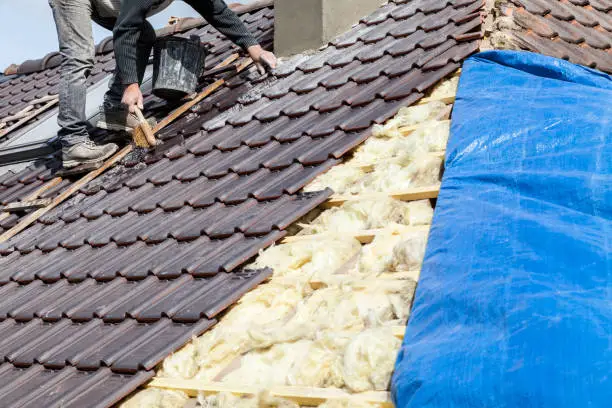
How Roofing Impacts Energy Efficiency
Roofing plays a much bigger role in energy efficiency than many homeowners and building owners realize. Because the roof is constantly exposed to sun, heat, and weather, its design and materials directly affect indoor temperatures, energy usage, and long-term operating costs.
At S-Line Contractors, we help clients understand how smart roofing choices can improve comfort while reducing energy bills. Here’s how roofing impacts energy efficiency—and what to consider when building or upgrading.
The Roof as a Thermal Barrier
Your roof acts as a shield between indoor spaces and outdoor conditions. A well-designed roofing system helps:
- Block excessive heat in summer
- Retain warmth in cooler months
- Reduce strain on HVAC systems
Poor roofing allows heat transfer that increases energy consumption year-round.
Roofing Materials Matter
Different roofing materials absorb and reflect heat differently. For example:
- Light-colored or reflective materials deflect sunlight
- Dark materials absorb more heat
- Metal and tile can improve heat management when properly installed
Choosing the right material helps control interior temperatures naturally.
Cool Roofing and Reflectivity
Cool roofing systems are designed to reflect more sunlight and absorb less heat. These roofs:
- Lower roof surface temperatures
- Reduce indoor heat gain
- Improve overall energy efficiency
Cool roofing options are especially effective in warmer climates like California.
Insulation and Roofing Work Together
Roofing and insulation function as a system. Proper insulation beneath the roof:
- Prevents heat transfer
- Reduces air leaks
- Maintains consistent indoor temperatures
Even the best roofing material won’t perform efficiently without adequate insulation.
Ventilation’s Role in Energy Efficiency
Roof ventilation helps regulate attic and roof temperatures. Proper ventilation:
- Releases trapped heat
- Reduces moisture buildup
- Helps HVAC systems work more efficiently
Balanced airflow supports both comfort and energy savings.
Roofing Design and Structure
Roof slope, shape, and construction also affect efficiency. Design considerations include:
- Drainage efficiency
- Airflow patterns
- Exposure to direct sunlight
Smart design reduces heat buildup and energy loss.
Impact on Heating and Cooling Costs
Energy-efficient roofing can significantly reduce:
- Summer cooling costs
- Winter heating demand
- HVAC wear and tear
Lower energy usage translates into long-term savings.
Energy Codes and Roofing Standards
California has strict energy efficiency standards for roofing systems. Compliance ensures:
- Reduced energy consumption
- Improved building performance
- Long-term cost savings
Meeting these standards benefits both homeowners and businesses.
Roofing Upgrades During Remodels
Roof replacements or remodels are ideal times to improve efficiency. Upgrades may include:
- Reflective roofing materials
- Improved insulation
- Enhanced ventilation systems
These improvements boost energy performance without major disruption.
Long-Term Value of Energy-Efficient Roofing
Efficient roofing systems add value by:
- Lowering utility bills
- Increasing property appeal
- Supporting sustainability goals
Buyers and tenants increasingly value energy-efficient buildings.
Why Professional Installation Matters
Energy efficiency depends on proper installation. Professional contractors ensure:
- Correct material placement
- Code compliance
- Seamless integration with insulation and ventilation
Poor installation can negate energy-saving benefits.
Final Thoughts
Roofing isn’t just about protection—it’s a major factor in energy efficiency, comfort, and long-term cost control. The right materials, insulation, and installation can dramatically improve how a building performs.
At S-Line Contractors, we help clients make roofing decisions that support efficiency, sustainability, and long-term value.
Frequently Asked Questions (FAQ)
Does roofing really affect energy bills?
Yes. Roofing significantly influences heat gain and loss, impacting heating and cooling costs.
What roofing material is the most energy-efficient?
Reflective materials, such as metal, tile, and cool-rated shingles, perform well in warm climates.
Is insulation part of roofing efficiency?
Absolutely. Roofing and insulation must work together for optimal efficiency.
Are energy-efficient roofs required in California?
Many projects must meet energy efficiency standards under state building codes.
Does S-Line Contractors install energy-efficient roofing systems?
Yes. We design and install roofing systems that support energy efficiency and code compliance.
Let’s Build Something Together
Ready to elevate your commercial space? Contact S-Line Contractors today to discuss your project and discover how we can bring your vision to life.