How to Handle Plumbing Emergencies During Construction
Plumbing emergencies during construction can happen without warning. A burst pipe, sudden leak, or sewer backup can quickly damage materials, delay schedules, and increase costs if not handled correctly. The key is knowing how to respond fast while minimizing risk to the project and workers.
At S-Line Contractors, we plan for emergencies before they happen and act quickly when they do. Here’s how plumbing emergencies are handled professionally during construction projects.
1. Shut Off the Water Immediately
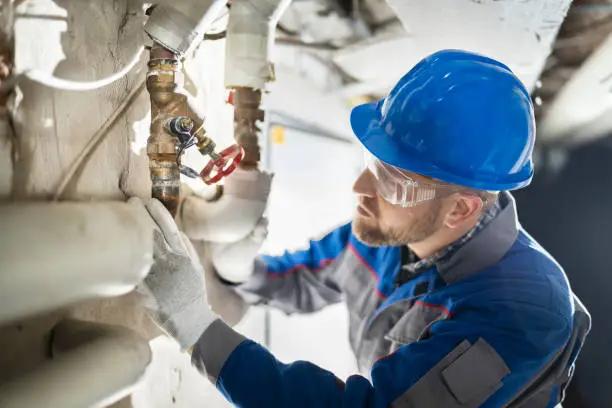
The first and most critical step is stopping the water source. This may include:
- Closing fixture shut-off valves
- Shutting off zone valves
- Turning off the main water supply
Quick action prevents further flooding and material damage.
2. Secure the Job Site
Once water is controlled, the area must be made safe. This includes:
- Isolating wet zones
- Protecting electrical components
- Preventing slip hazards
- Keeping workers clear of unsafe areas
Safety always comes before repairs.
3. Identify the Source of the Emergency
Plumbing emergencies often result from:
- Damaged pipes during demolition
- Improper temporary connections
- Pressure testing failures
- Aging or hidden plumbing
Accurate diagnosis ensures the correct repair approach.
4. Protect Materials and Structure
During construction, exposed materials are vulnerable. Emergency response focuses on:
- Removing standing water
- Drying framing and subfloors
- Protecting drywall, insulation, and finishes
Fast mitigation reduces the risk of mold and structural damage.
5. Bring in Licensed Plumbing Professionals
Emergency repairs should only be handled by licensed plumbers. They ensure:
- Code-compliant repairs
- Proper materials and fittings
- Safe pressure restoration
Temporary fixes are avoided unless necessary.
6. Coordinate With Other Trades
Plumbing emergencies often affect other systems. Coordination may be needed with:
- Electricians
- Framers
- Drywall installers
- Inspectors
Clear communication keeps the project moving forward safely.
7. Document the Incident
Proper documentation is essential. This includes:
- Photos of damage
- Repair notes
- Inspection reports
Documentation is helpful for insurance claims, inspections, and future reference.
8. Schedule Required Inspections
If emergency repairs involve permitted plumbing, inspections may be required before work continues. This ensures:
- Compliance with local codes
- Approval to resume construction
Skipping this step can lead to delays later.
9. Review and Adjust the Construction Plan
After an emergency, project plans may need adjustment. This can include:
- Revised timelines
- Material replacements
- Additional testing
Proper planning minimizes long-term impact on the schedule.
10. Prevent Future Plumbing Emergencies
Prevention strategies include:
- Pressure testing before closing walls
- Proper pipe protection during framing
- Clear marking of plumbing lines
- Experienced trade coordination
Proactive planning reduces emergency risk significantly.
Final Thoughts
Plumbing emergencies during construction don’t have to derail a project. With quick action, experienced coordination, and professional repairs, damage can be contained and schedules protected.
At S-Line Contractors, we build contingency planning into every project—ensuring plumbing emergencies are handled efficiently, safely, and with minimal disruption.
Frequently Asked Questions (FAQ)
What is the most common plumbing emergency during construction?
Accidental pipe damage during demolition or framing is one of the most common issues.
Can plumbing emergencies delay a project?
Yes, but fast response and proper coordination help minimize delays.
Are emergency plumbing repairs covered by insurance?
Coverage depends on the policy and circumstances, but documentation is critical.
Should construction stop during a plumbing emergency?
Yes. Work should pause in affected areas until the issue is resolved safely.
Does S-Line Contractors manage plumbing emergencies on job sites?
Yes. We coordinate emergency response, licensed repairs, and inspections to protect the project.
Let’s Build Something Together
Ready to elevate your commercial space? Contact S-Line Contractors today to discuss your project and discover how we can bring your vision to life.